Come join us at the Inauguration of Sri Aurobindo Kala Sangam, as it opens its campus in Villa Appavou, in Ariankuppam, Puducherry. To understand our vision and to visit world's first Sugiura Design Museum.
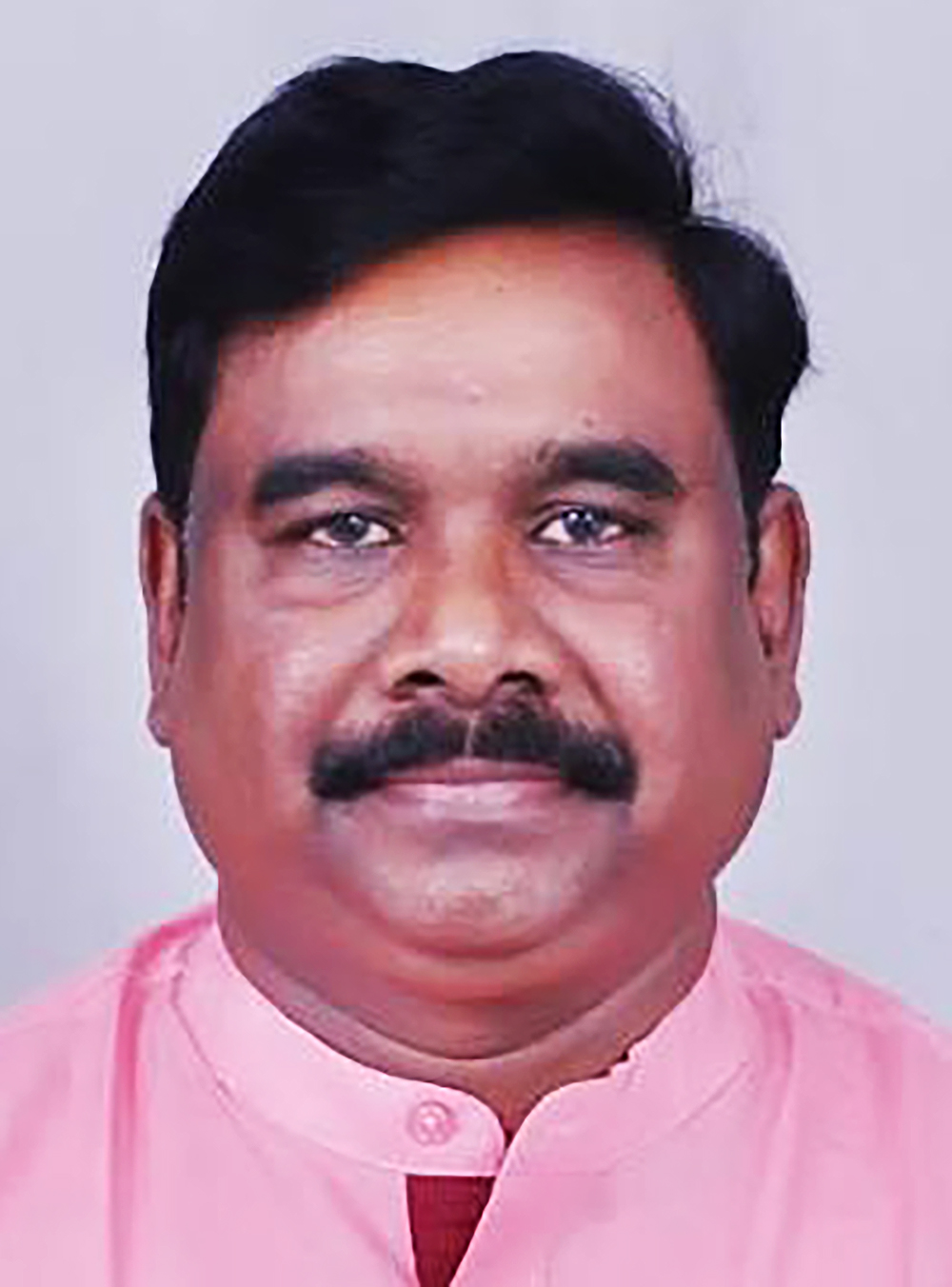
Prof. P. Prakash Babu
Vice-Chancellor, Pondicherry University
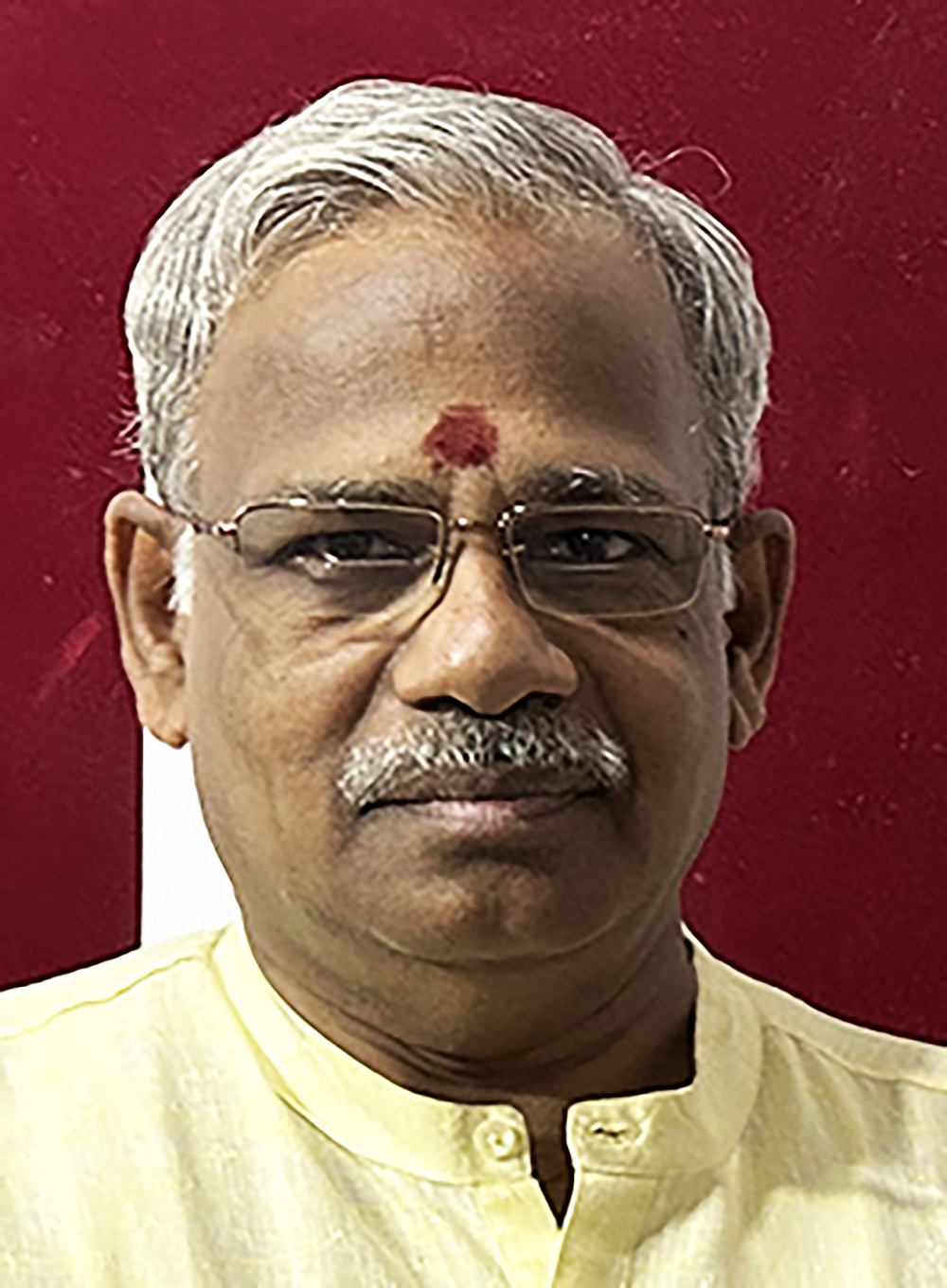
Sthapati K. P. Umapathy Acharya
Hereditary Temple Architect, Kumbakonam
All are invited.

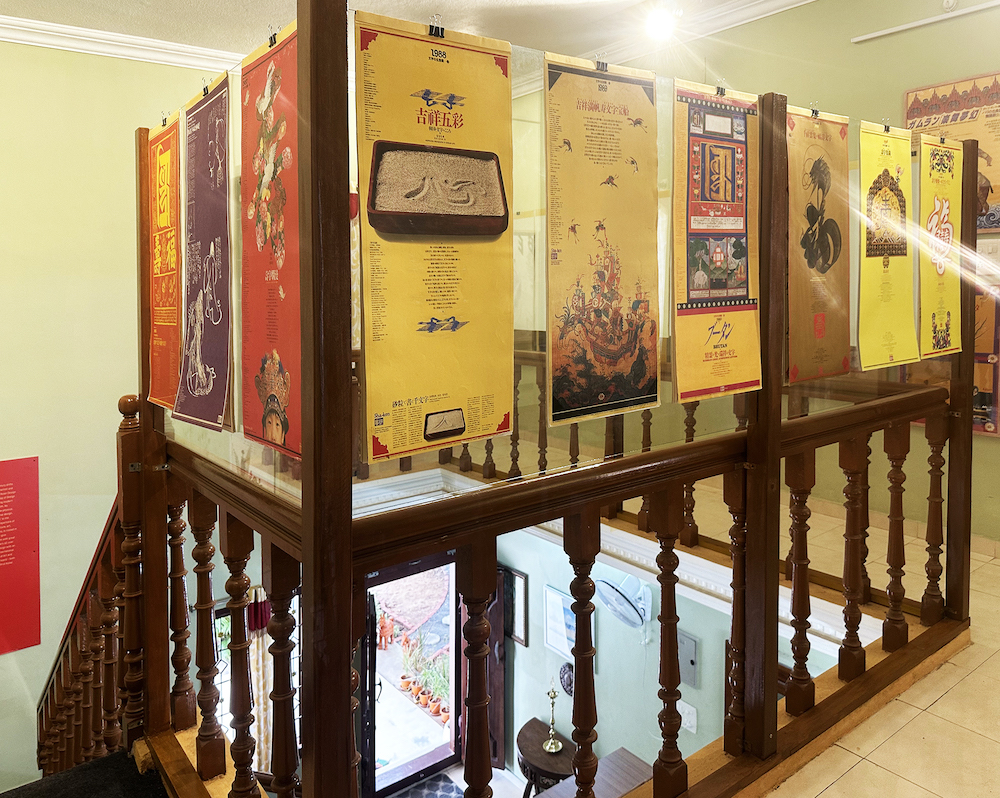
Six fellowships are offered to young creative professionals annually to selected creative individuals — to enable them to spend a year in the spiritual ambience of Puducherry, to conduct free creative explorations in areas of their own choosing.
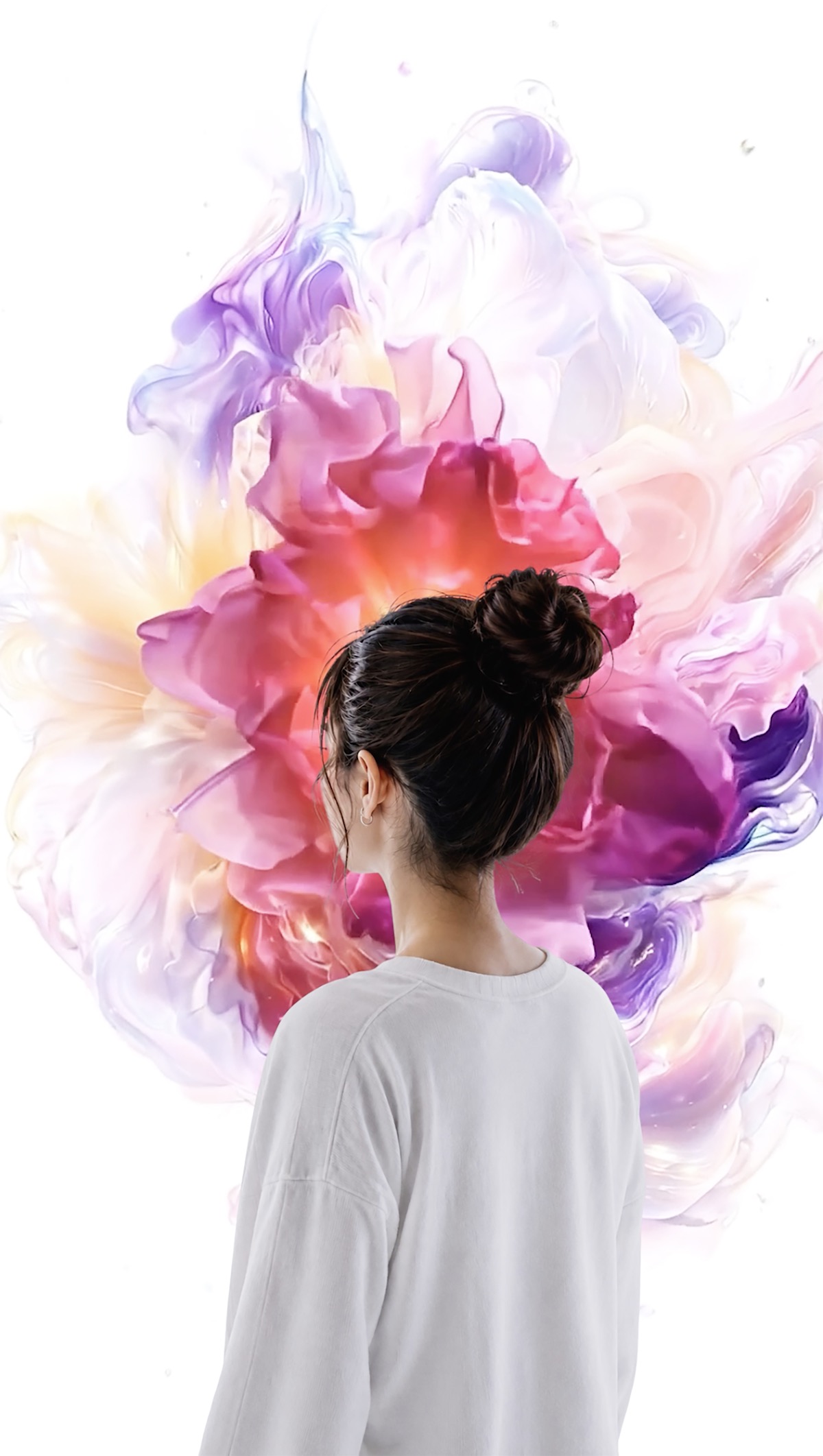
A series of six one-week workshops will be conducted by Prof Kirti Trivedi, on the Design Methodology of Prof Sugiura. The courses will give professional Book and Publication Designers an insight into Prof Sugiura's methods; which gives his design works such extraordinary vitality.
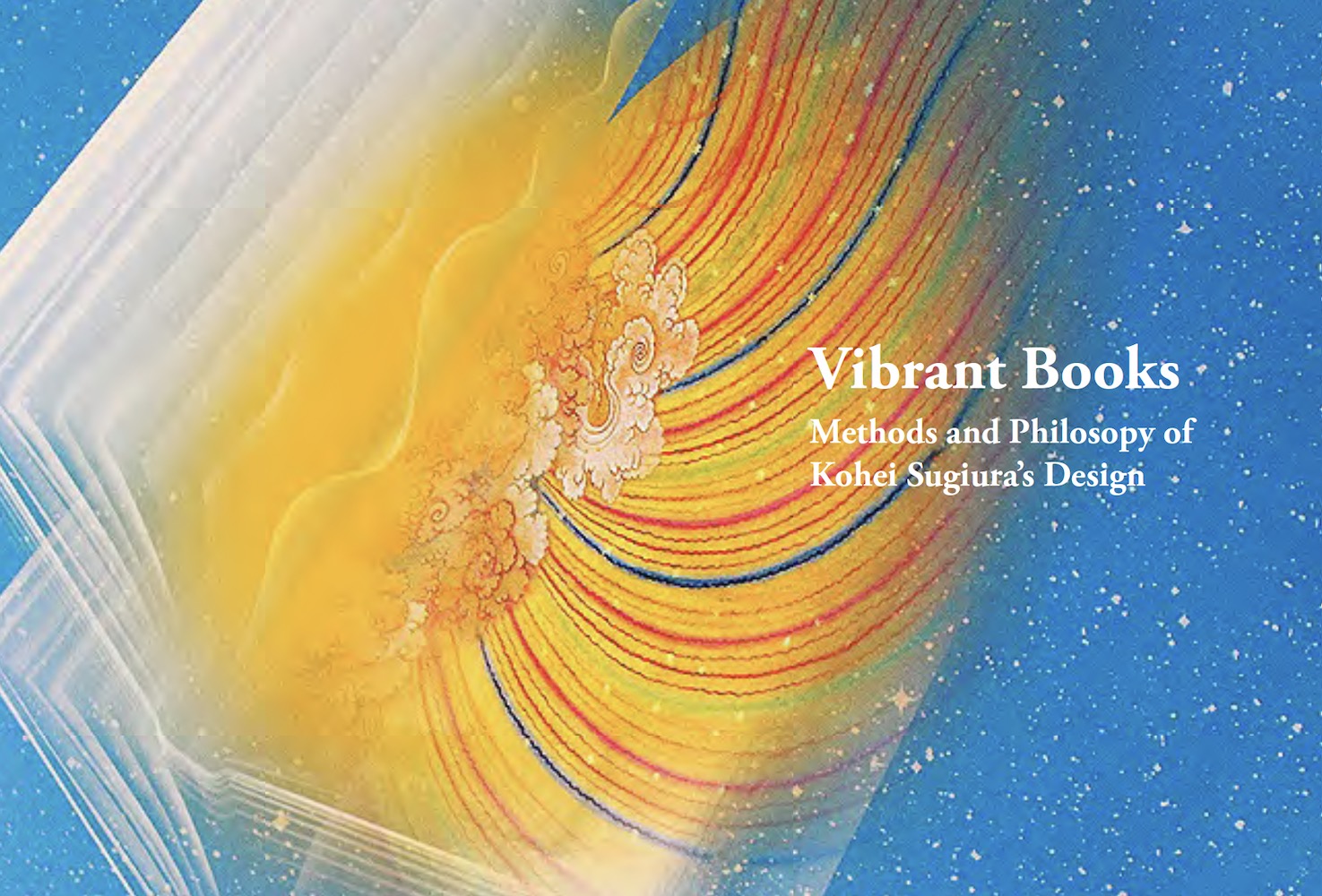
A one-year PG program in Design Education to address the problem of serious shortage of Design Educators who can lead design programs in design schools across the country. The program is aimed at those for whom teaching is a vocation, who actually enjoy helping young people flower.
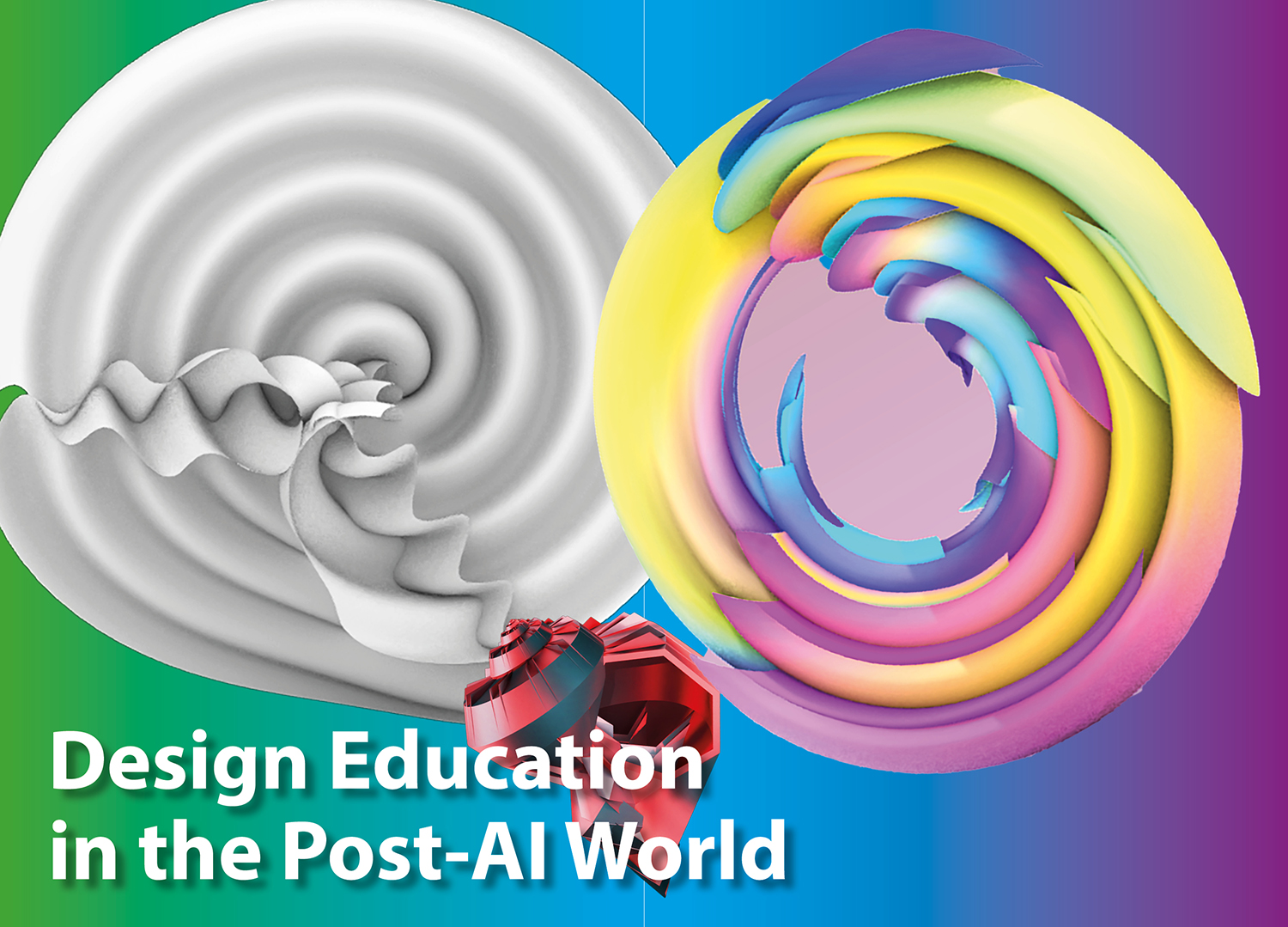
Sri Aurobindo's writing on education and on the nature of a living culture gives Sri Aurobindo Kala Sangam (SAKS) its philosophical floor. His conviction that the past's greatness is a promise of greater ideals for the future is the operating premise.
We aim to delight the world again with Indian Creativity in the emerging world of Post-AI Digital Arts.
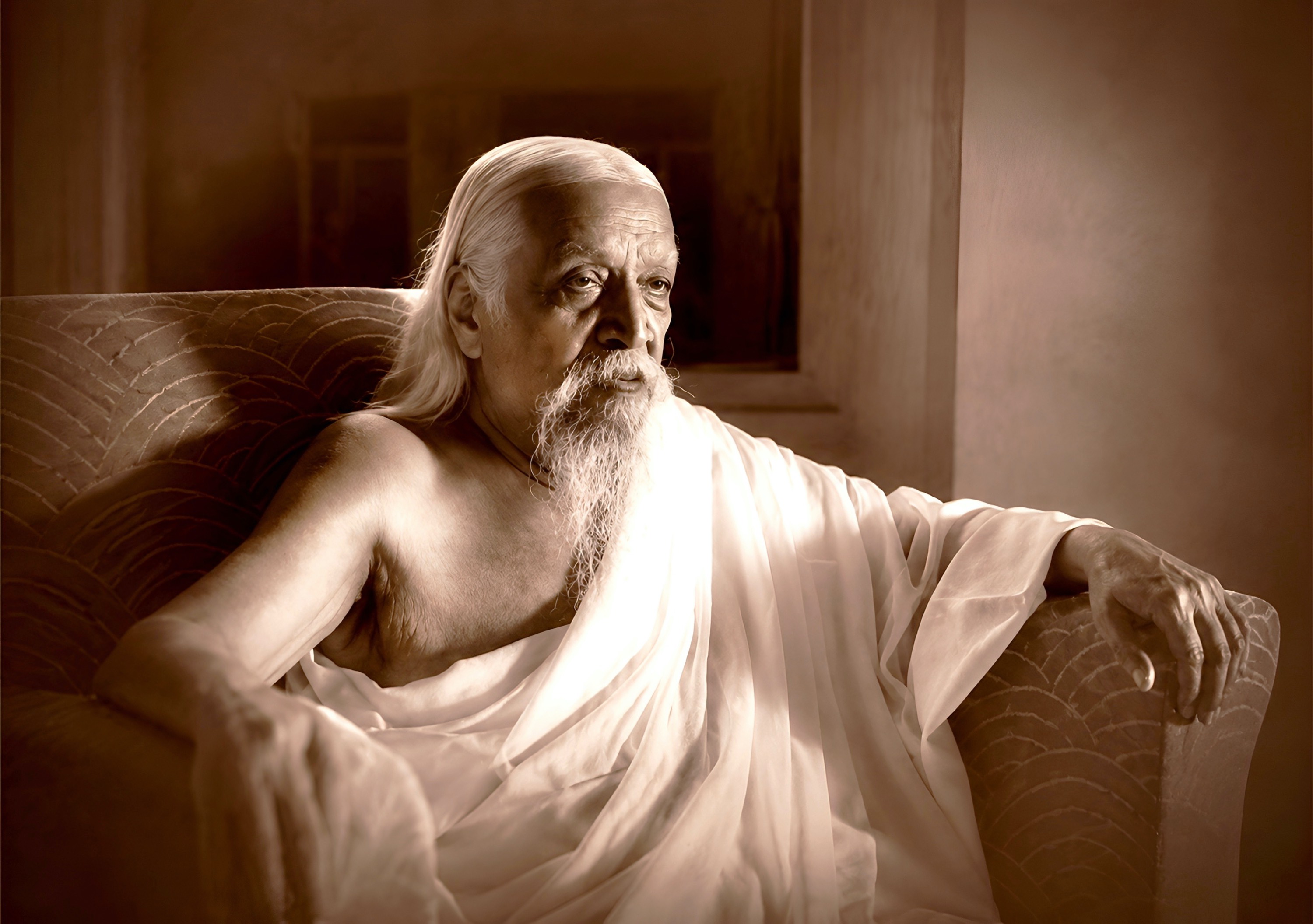
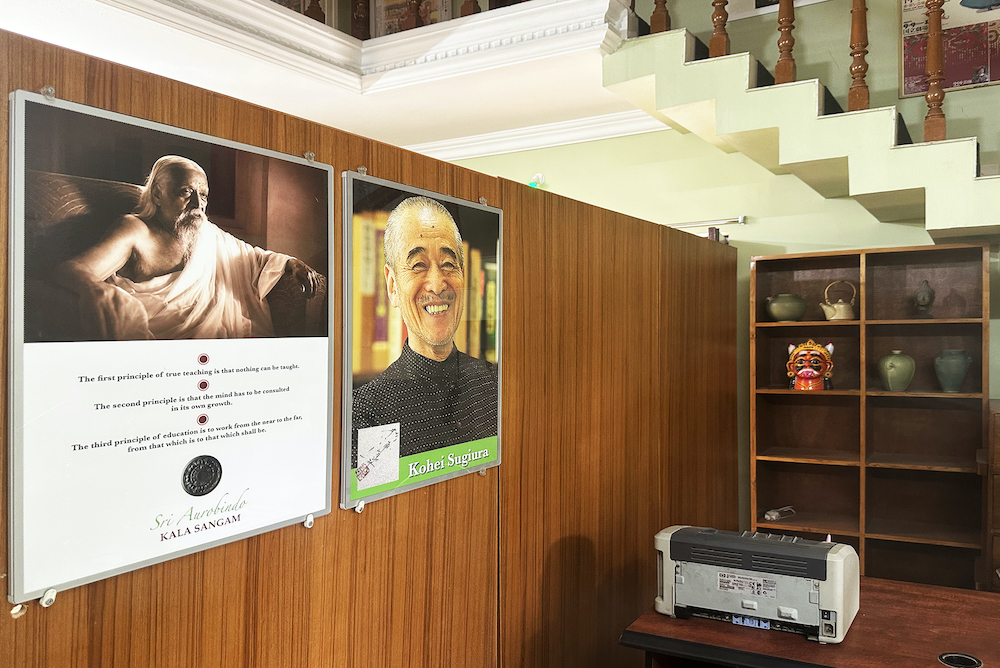
Sri Aurobindo's three principles of true teaching — that nothing can be taught, that the mind must be consulted in its own growth; that education must move from the near to the far — form the deep structure of every program SAKS offers.
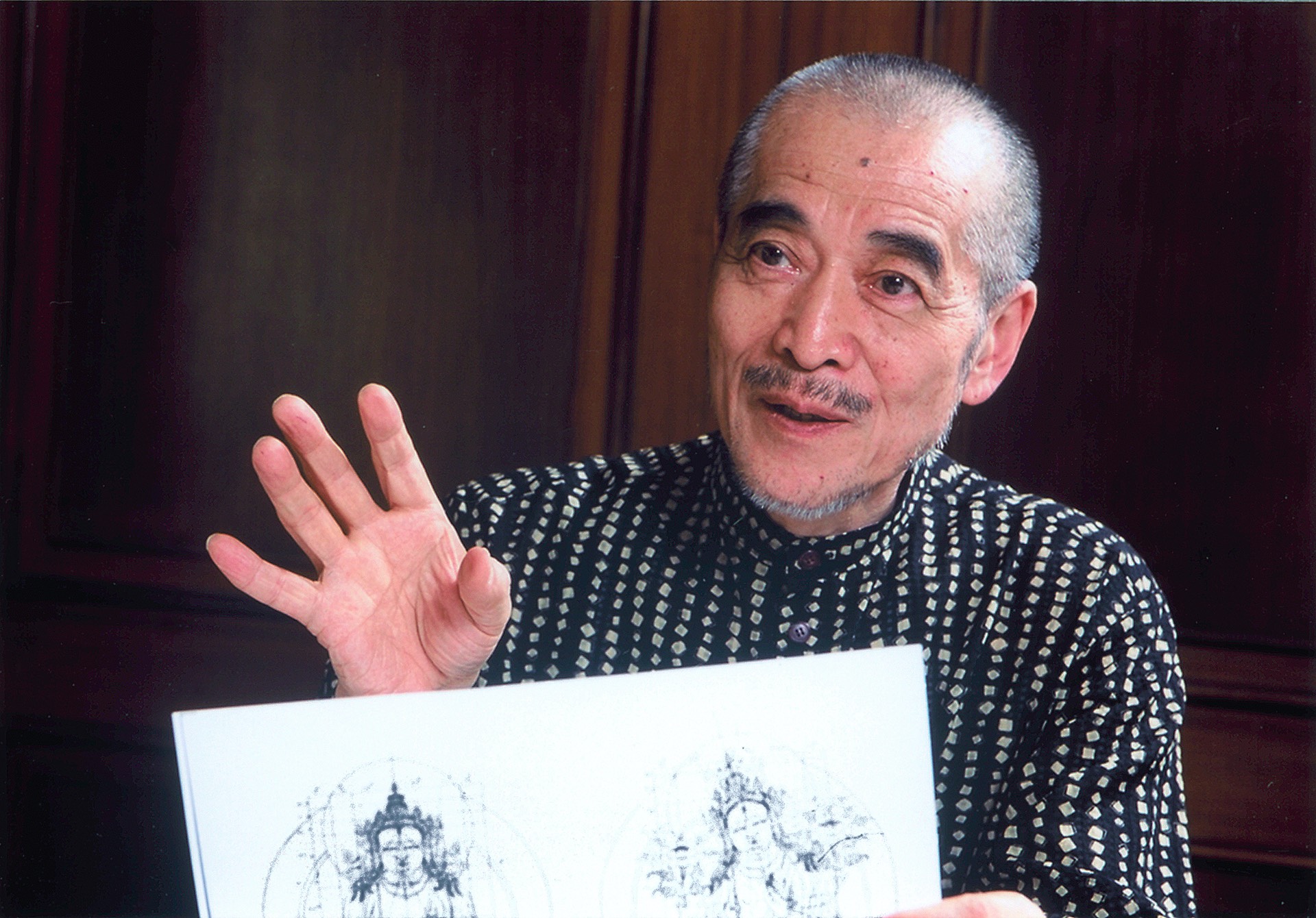
The Design Methodology developed by Prof Kohei Sugiura of Japan to give contemporary expression to Asian Culture; provides the roadmap and a path to develop a new Indian design rooted in Indian Philosophy and Aesthetic Traditions.
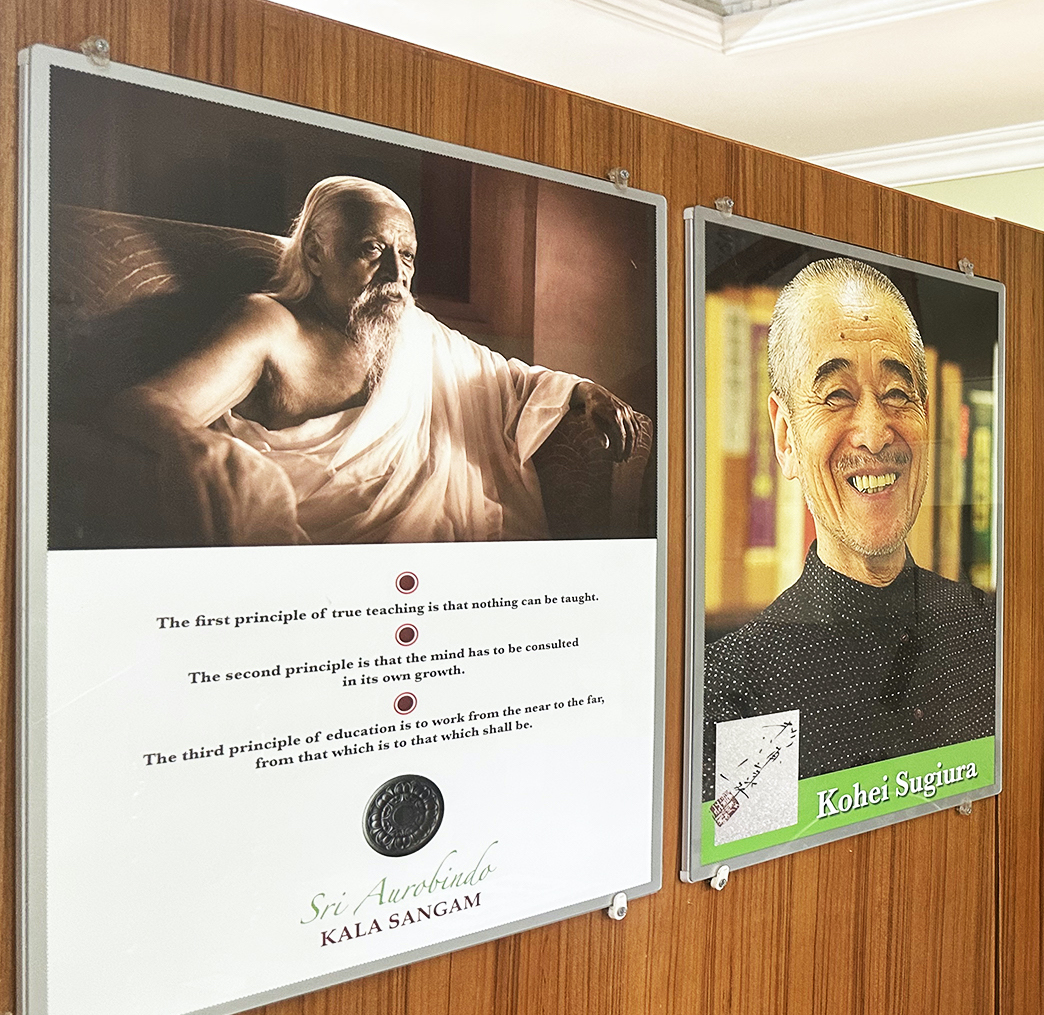
"The greatness of the ideals of the past is a promise of greater ideals for the future. A continual expansion of what stood behind past endeavour and capacity is the one abiding justification of a living culture."— Sri Aurobindo
"Our two legs and their movement — the front leg advancing civilization, and the back leg standing on history and tradition — teach us how to live in the present. When we take another step, the front leg representing the advance of the civilization switches role and becomes the back leg, while the back leg representing history and tradition advances and becomes the front leg. The two legs take turn, and we walk."— Kohei Sugiura
Sri Aurobindo Kala Sangam is a coming together of the most accomplished creative talents from India to work to bring about a new understanding of Indian Aesthetics for new needs of Creative Expression for the Digital Media; and a resurgence of Indian Art & Design from the vast spectrum of emerging possibilities.
SAKS is being guided by an eminent Board of Advisors, composed of the most respected creative minds in India combining the ancient wisdom of traditional shastras with contemporary expressions of creativity across the Visual and Performing Arts.
A Padma Vibhushan Shilpi, an Educator in the wisdom of the Shilpa-shastras; a celebrated Filmmaker, a National Award-winning Music Director, a respected scholar of Tantric Arts, and a Visionary Educator. Their support is both a mark of their faith in the SAKS agenda and the team which is working to achieve it.
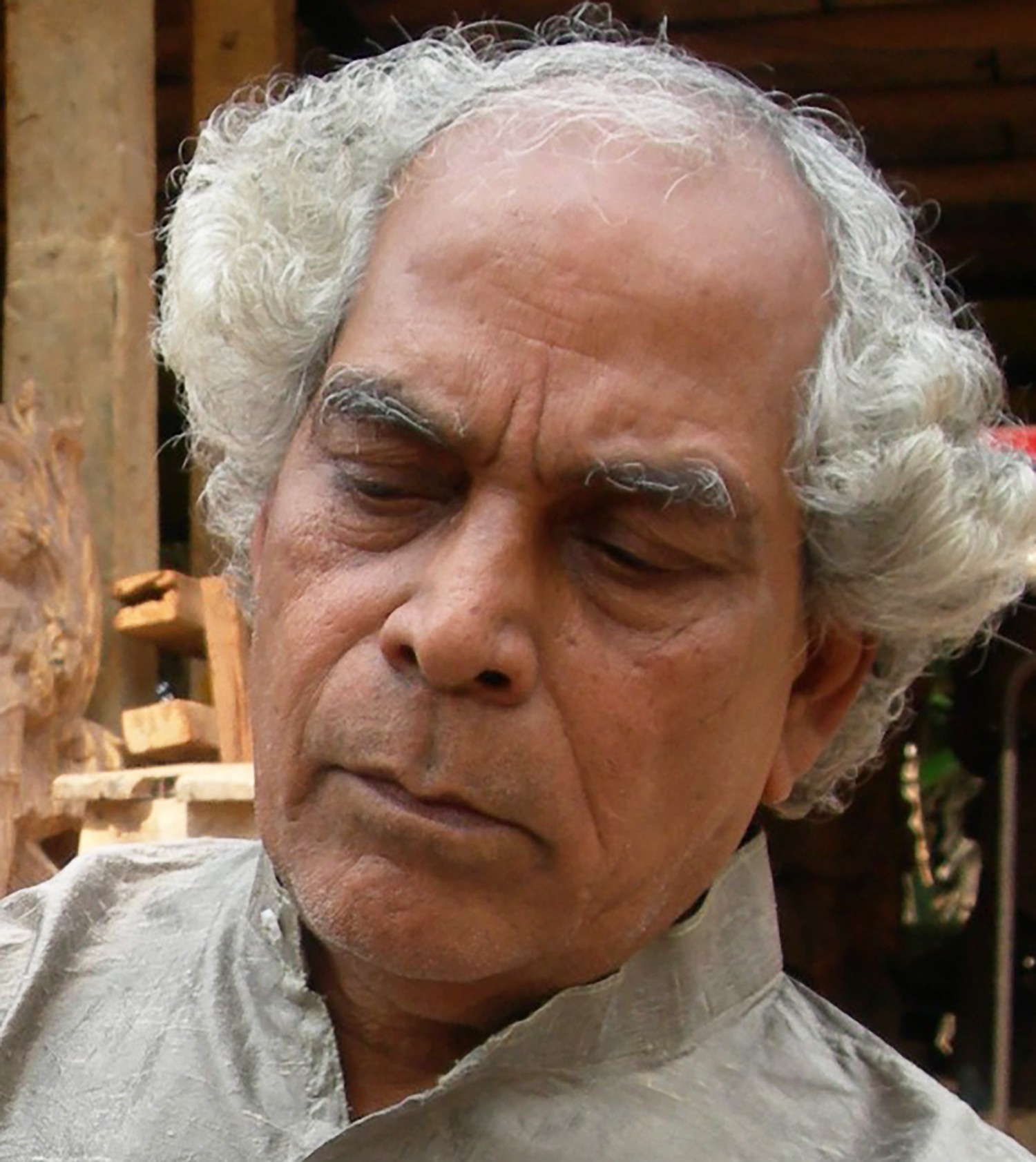
Padma Vibhushan Shri Sudarshan Sahoo
Eminent Shilpi working in the classical Orissa Sculpture tradition, with studios in Bhubaneswar and Puri.
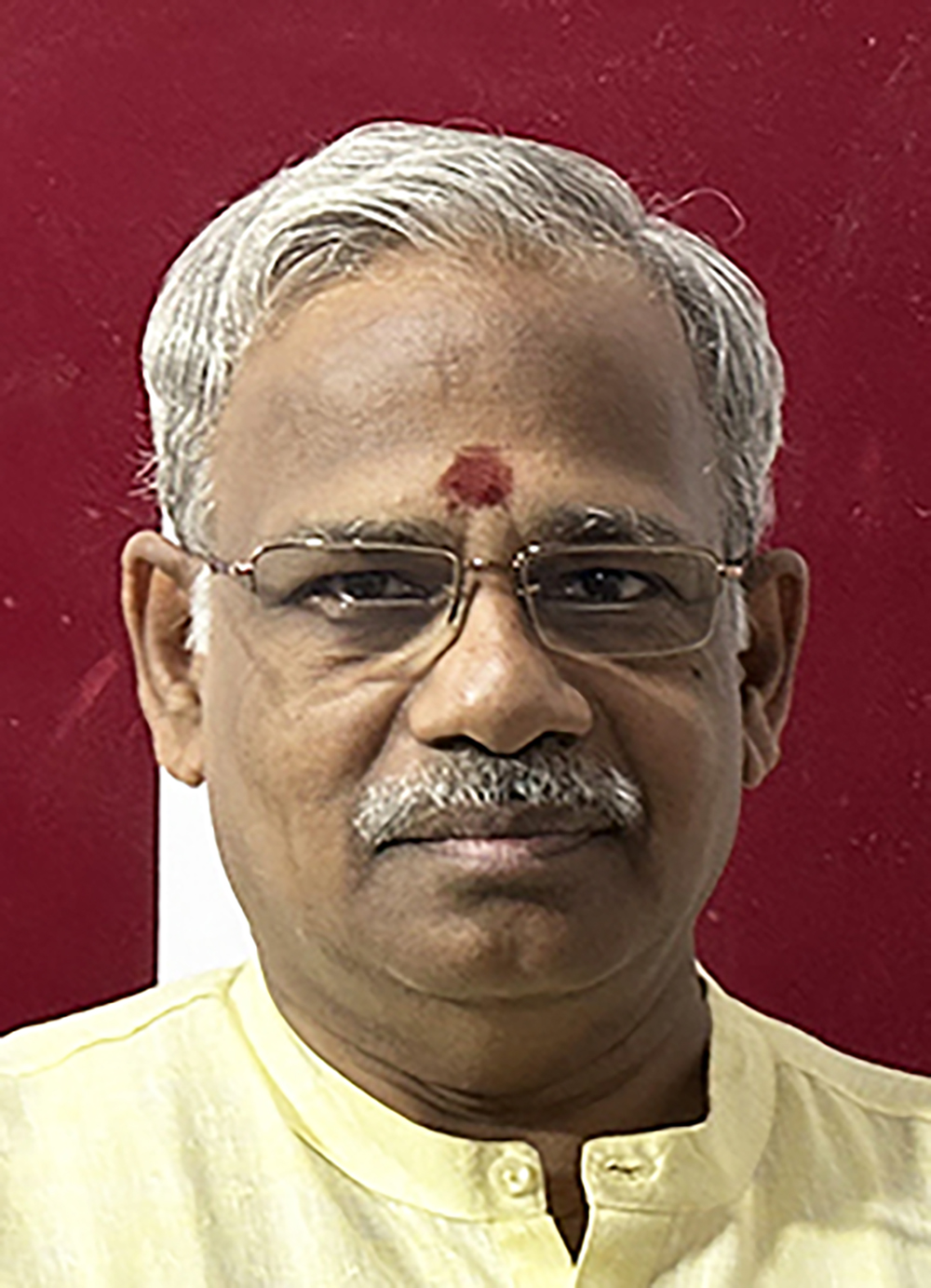
Sthapati K. P. Umapathy Acharya
Principal, TVS Shilpa Vidya Gurukulam, Kumbakonam. Hereditary Architect & Sculptor.
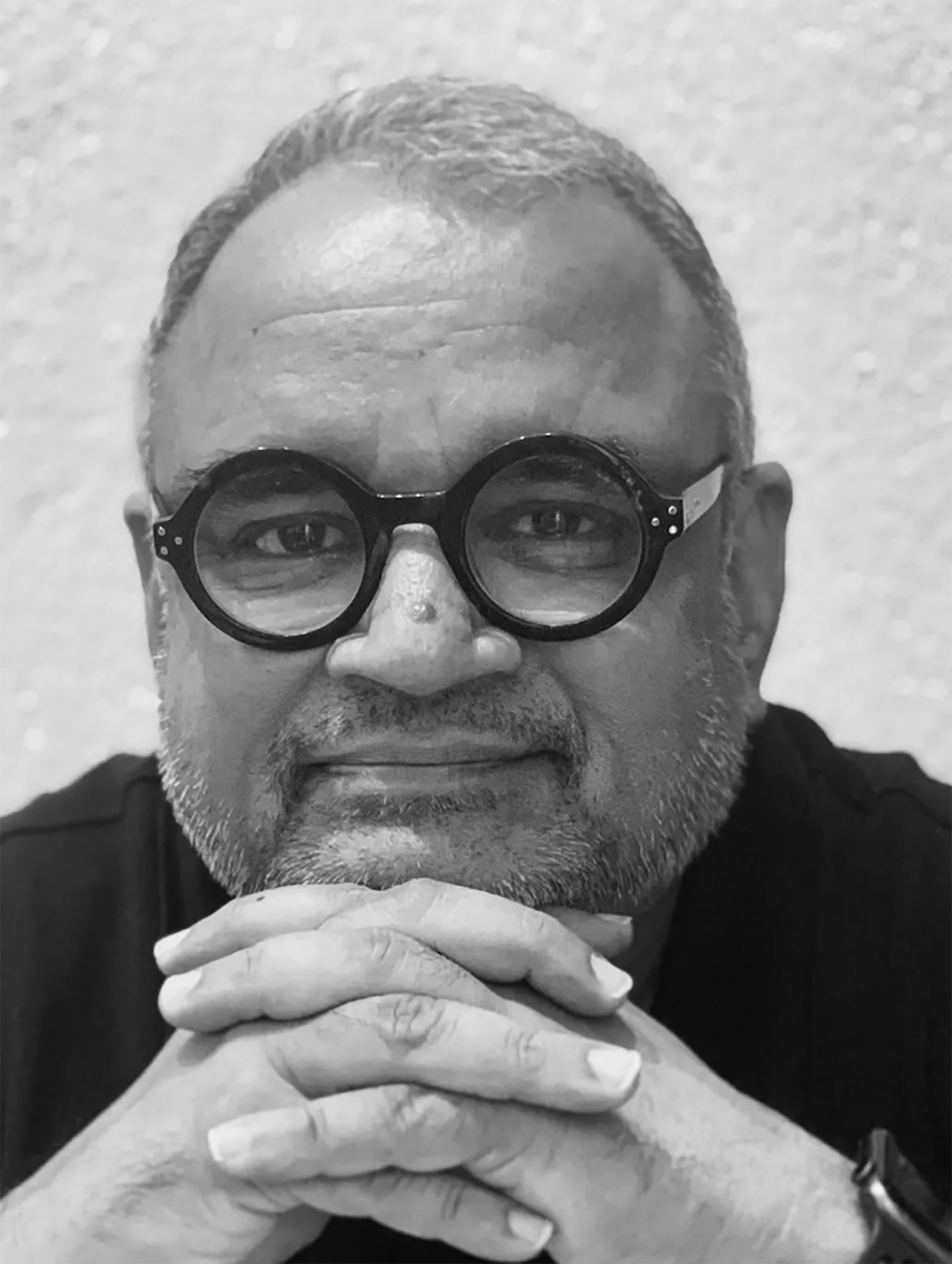
Bharatbala Ganapathy
Award-winning filmmaker known for landmark works at the intersection of Indian culture, spirituality, and contemporary visual media.
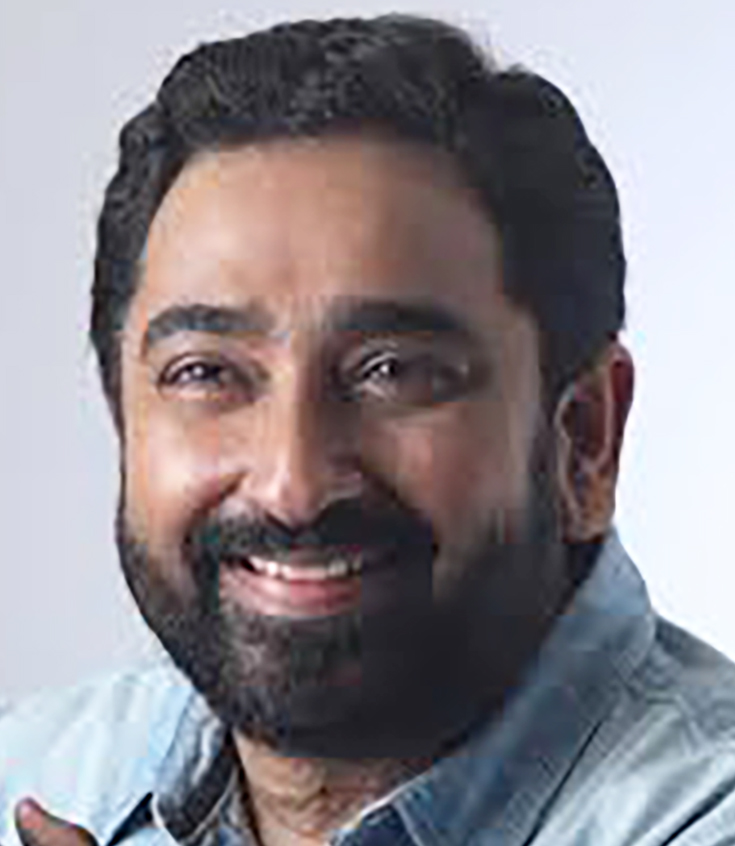
M Jayachandran
Celebrated music director and composer. National Award winner. Advisor on music, performance, and Indian musical traditions.
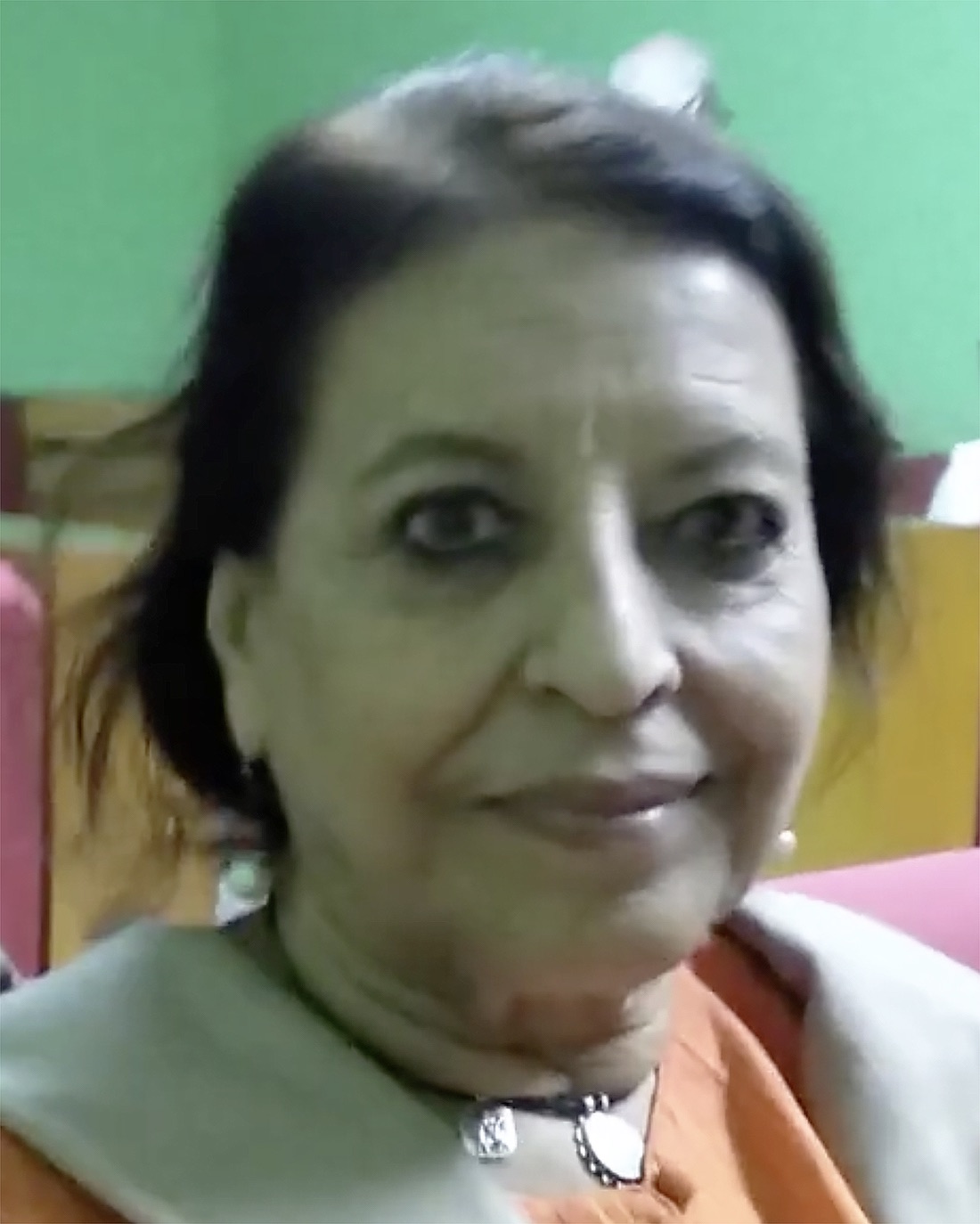
Dr Madhu Khanna
Tantra Scholar and author on Tantra, Yantra, and Indian aesthetic philosophy. One of the world's foremost authorities on Tantric art.
Hari Sankaran
Institution builder, Visionary and Education Technology leadership. Founder of 'Learnet' and 'Schoolnet'.
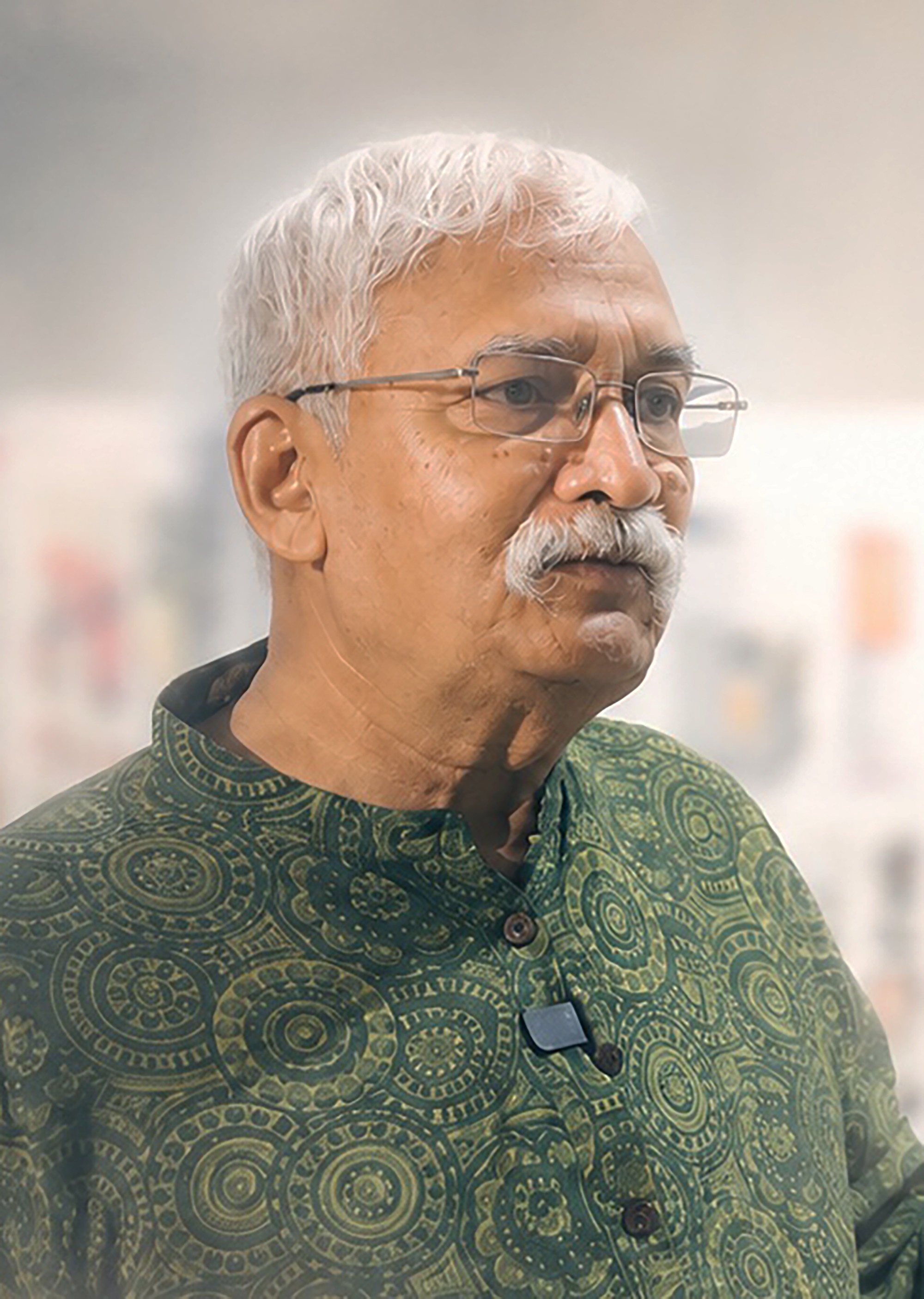
Sri Aurobindo Kala Sangam is a culmination of a long cherished dream for Prof. Kirti Trivedi. It began when he started understanding the intellectual depths of Indian Form-giving and Aesthetics Traditions on the advice of Prof Kohei Sugiura, at the end of his UNESCO Fellowship in Japan in 1981. Prof Sugiura asked him to understand India better, as India has one of the most profound form-giving traditions. A course for IDC's MDes programme 'Indian Thought & Traditions' which he ran for over 30 years, reinforced his belief that new Indian design must develop on its long and classical traditions of Arts, Architecture and Design.
Encountering and understanding works like 'Vastusutra Upanishad'; Anandvardhan's 'Dhvanyaloka'; and 'Samarangana Sutradhara' of Raja Bhoj; and the beginning of applying these theories in his regular teaching of design; further strengthened the belief that India needs a place where these neglected methods are revisited to work towards a new Indian Aesthetics rooted in Indian Philosophy and Spirituality. Following the Order of Nature, one would learn to create by understanding and following nature's way of creation. The formation of Sri Aurobindo Kala Sangam is seen as a new beginning for a very old and trusted way of creating.
Visiting Distinguished Professor at IIT Indore, Kirti Trivedi is a former Professor from the Industrial Design Centre, IIT, Bombay. The initiator and the founder of India's first Master of Design Programme in Visual Communication at IDC; in 1981, he worked as a UNESCO Fellow in Japan, under the guidance of Prof. Kohei Sugiura, and was introduced by him to the intellectual depth and the richness of Asian Design.
Besides teaching and design research, he is active as a design consultant in the areas of Graphic Design, Book Design, Exhibition and Museum Design, Environmental Graphics, Signage, and Product Design: with numerous publications and awards both nationally and internationally. In 2011, he was invited by the School of Art, Design and Media at NTU, Singapore to help set up a Centre for Asian Design, and introduce new programmes in Asian Design, Projection Arts and Islamic Design.
He is also engaged in developing a new model for design education, appropriate for the digital age, with the changed context of AI tools and a new student profile.
The founding partners of SAKS are all highly accomplished professionals in Art, Media and Design; with proven record of leadership and original creativity. All believe in the urgent need for Indian design community to come together to work to bring about a resurgence of Indian creativity, based on India's Spiritual, Philosophical, and Aesthetics traditions.
They have committed to work towards fully supporting the effort and the vision of Prof Kirti Trivedi, to begin an active movement to institutionalize this effort; inspired by the philosophy of Sri Aurobindo and the Design Methodology of Prof Kohei Sugiura.
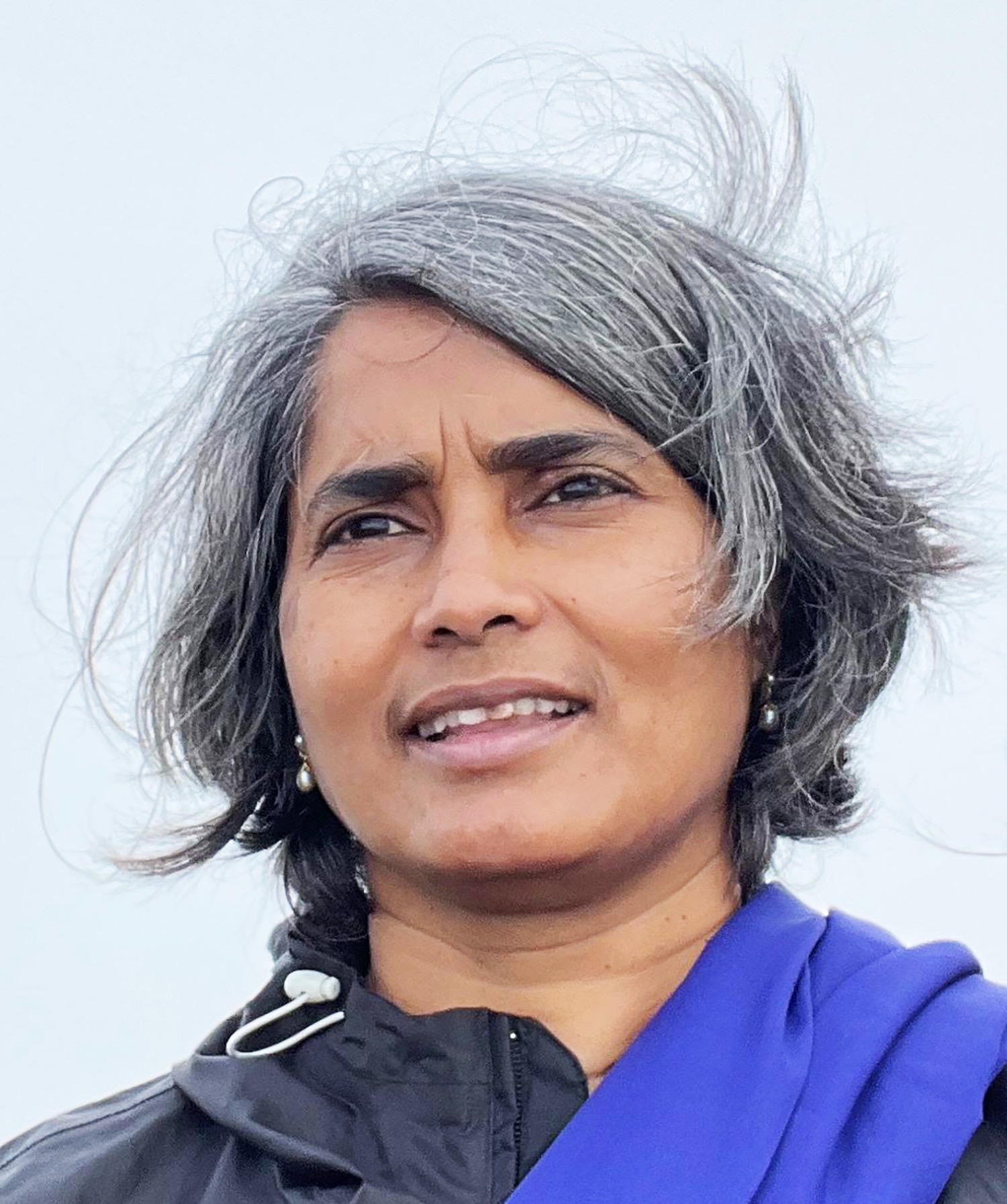
Muktha Hiremath
Communication Designer with extensive experience in Publication Design, UX Design (at SAP), and Design History.
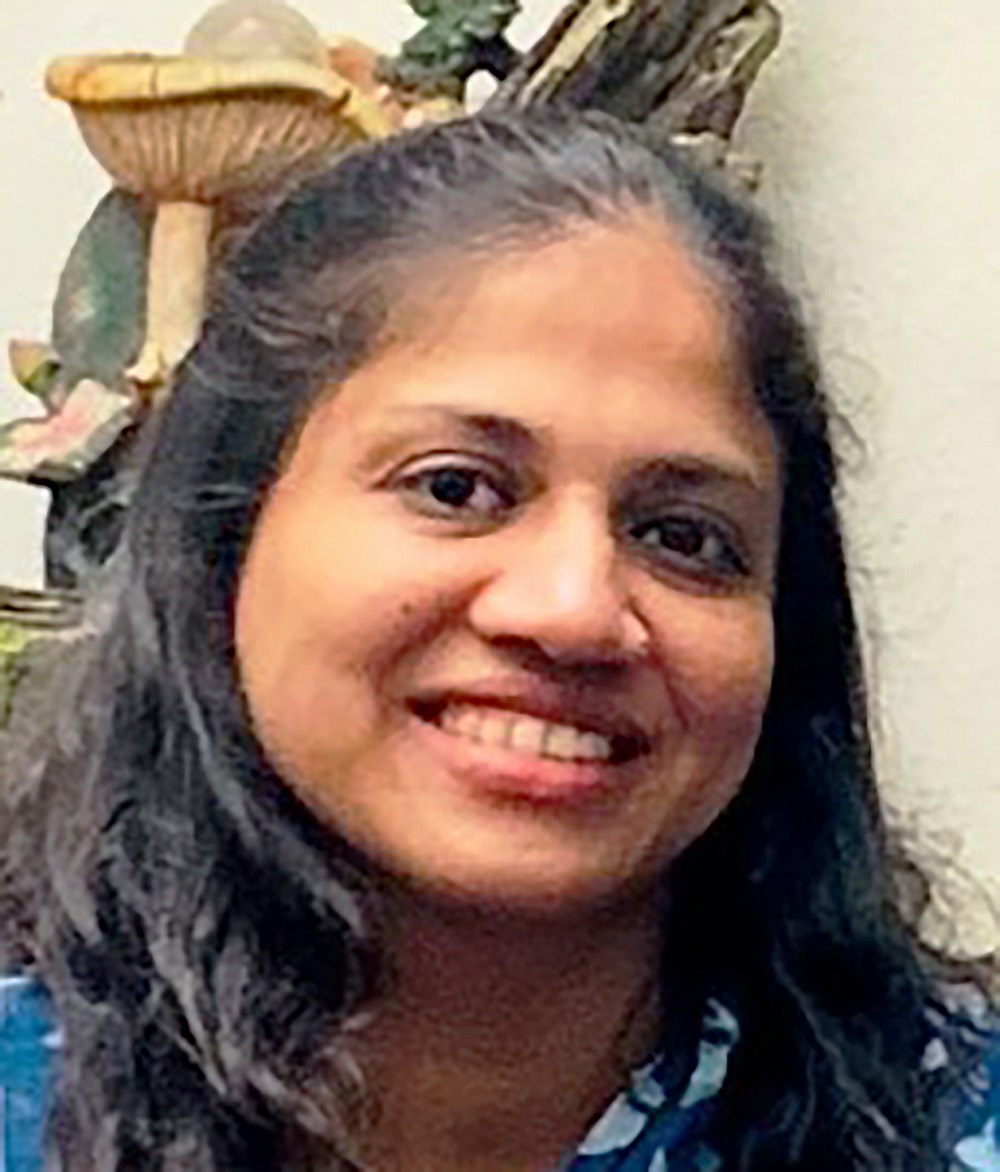
Sindhu Kulkarni
Co-founder & Principal, Tacit Design. Puzzles & board games rooted in Indian culture & history.
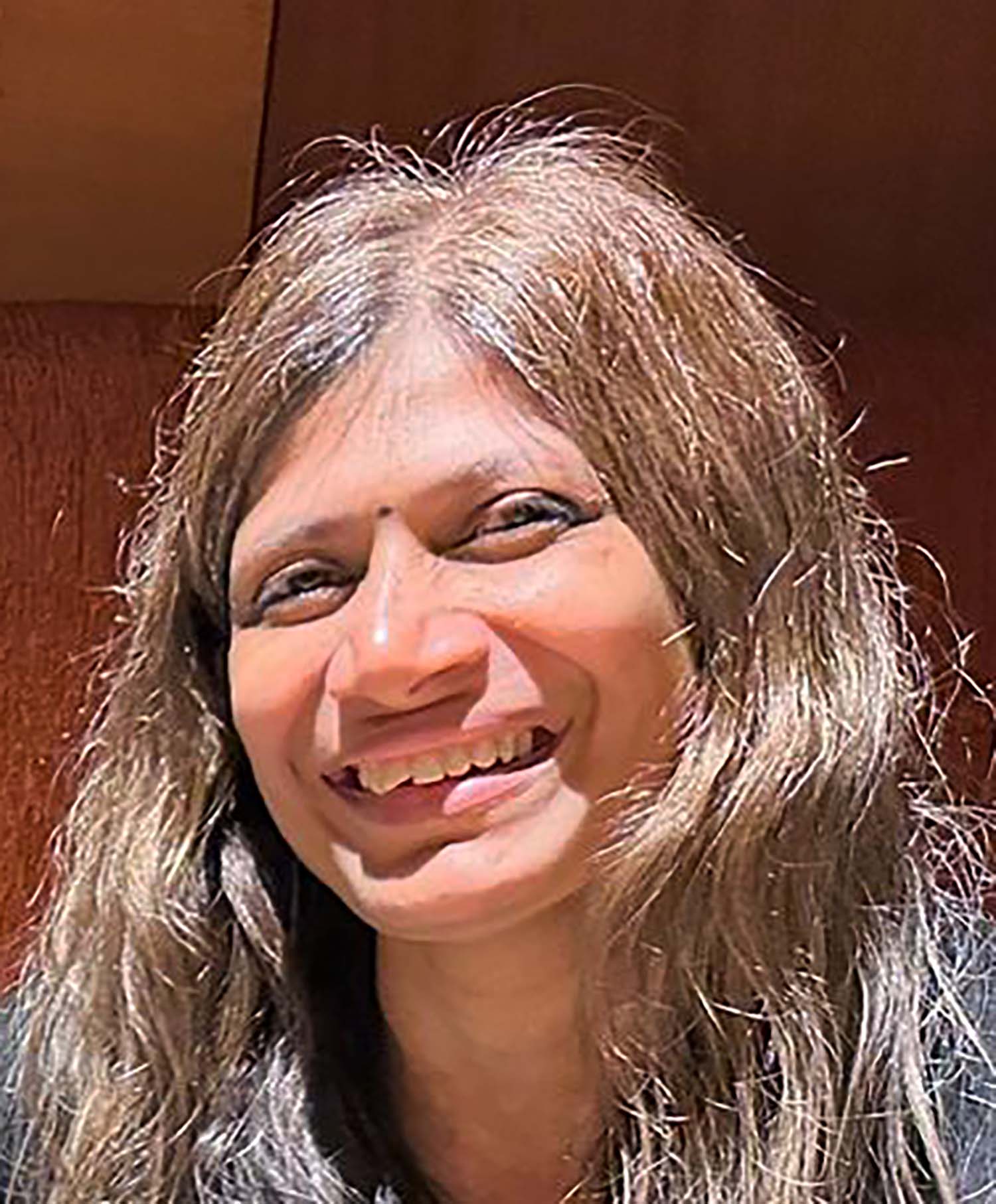
Sneha M L
Co-founder, Dig Design Studio. Contemporary artist exploring Indian philosophy through abstract, geometric work.
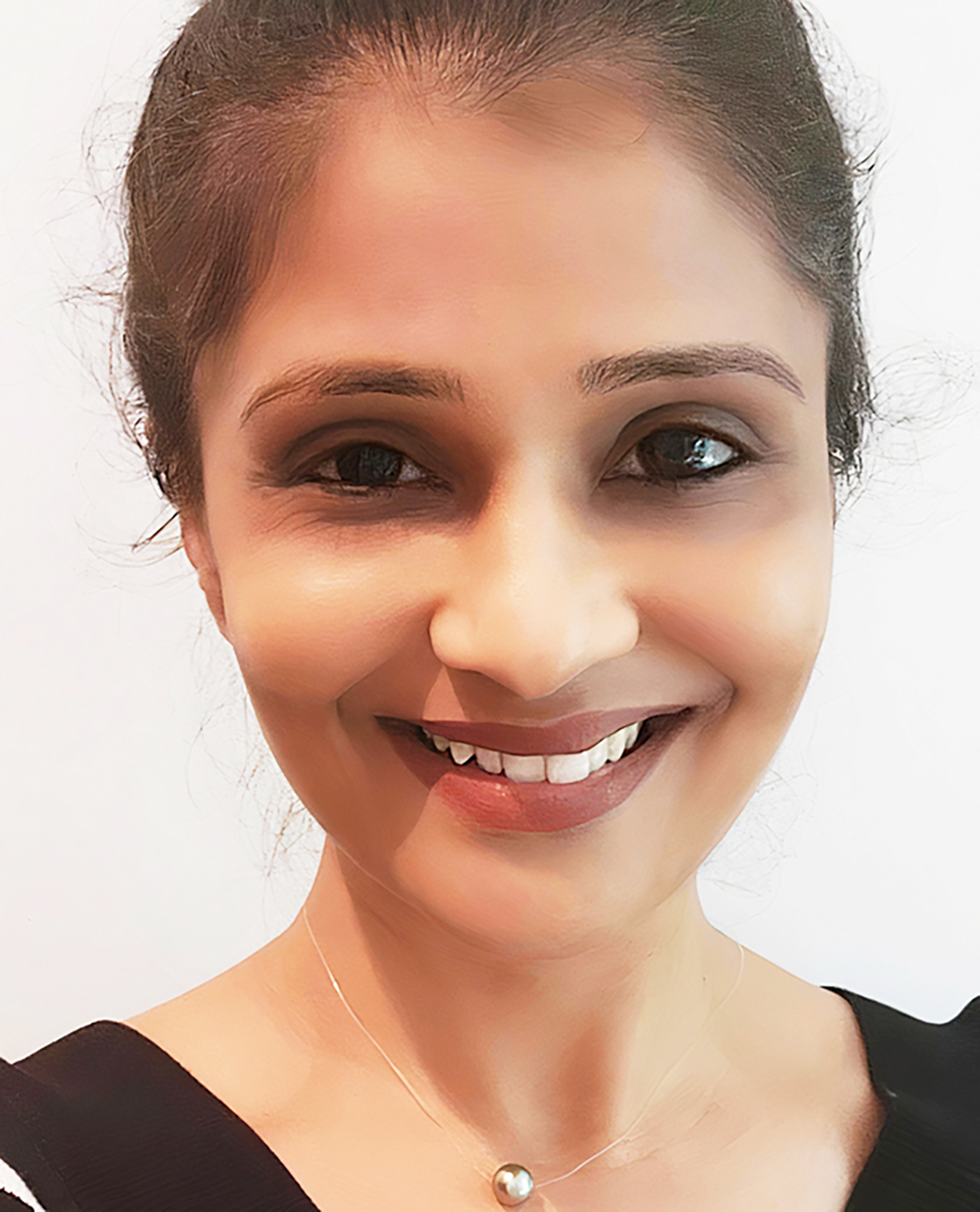
Radhika Tipnis
Publication Designer with deep expertise in Editorial, Book design and Digital Illustration.
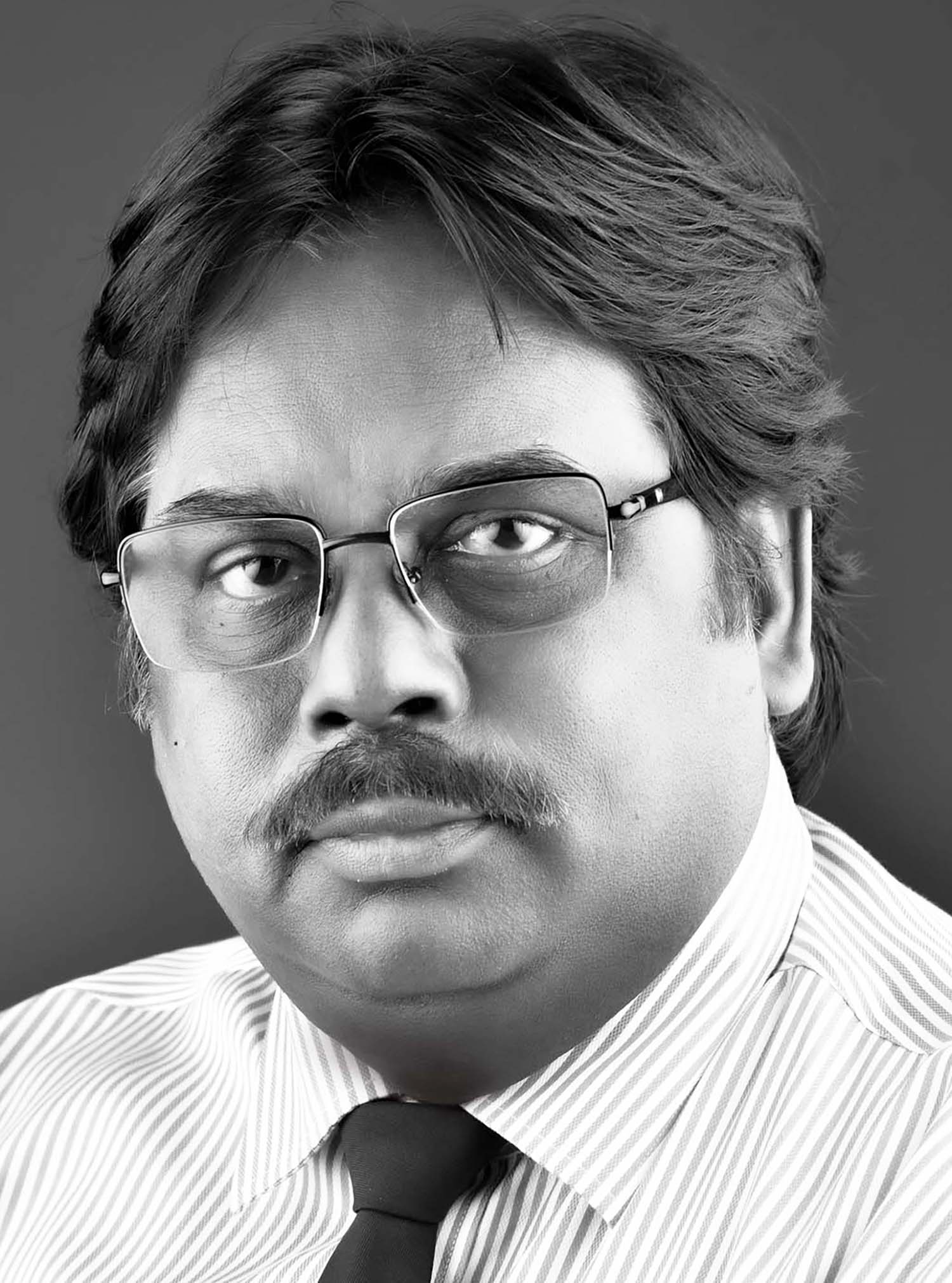
S K Mohanty
India's most respected Font Designer with over 35 years in digital font design and Indic script development. Renowned Calligrapher.
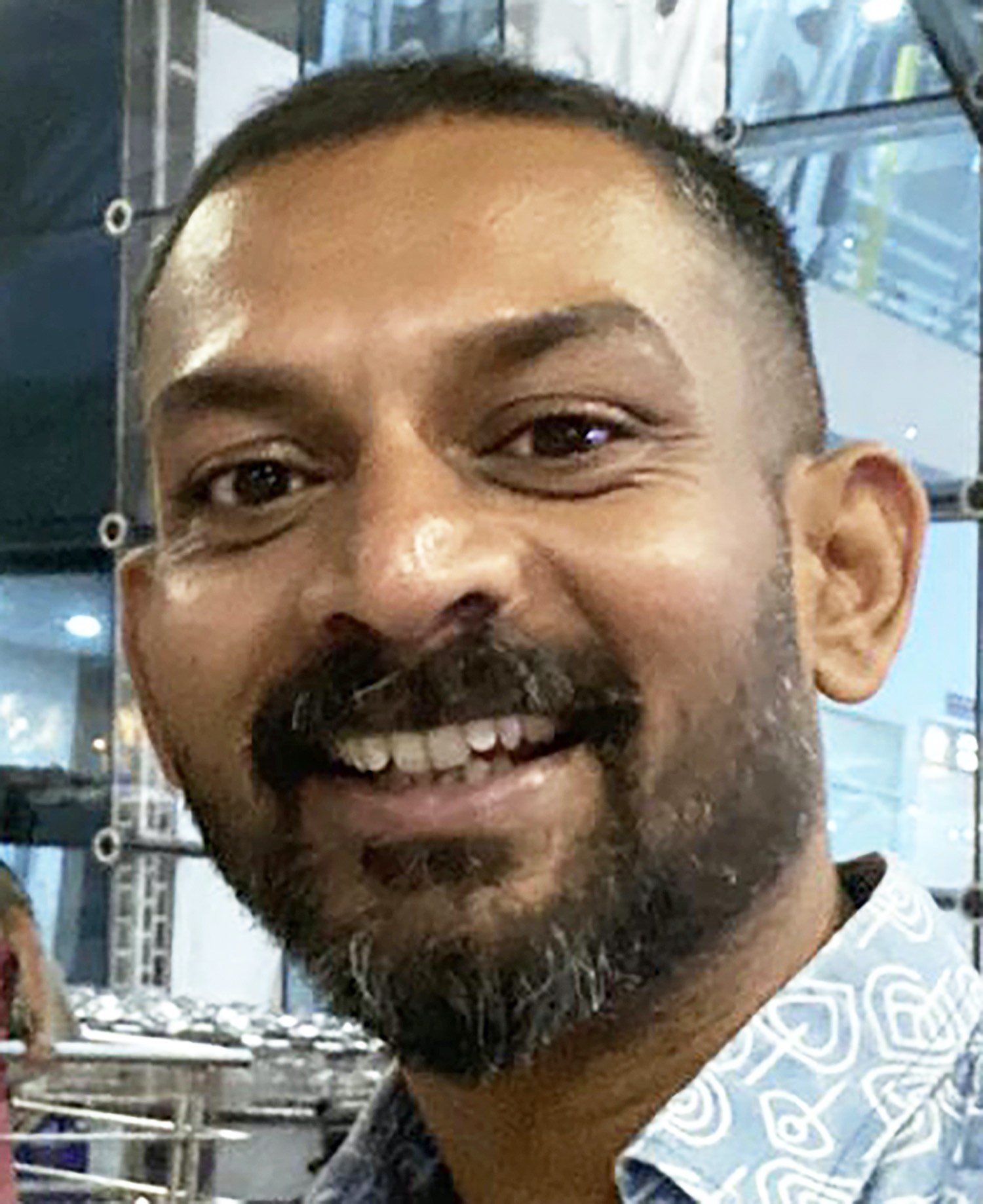
Harshvardhan Kadam
Environmental Artist and Muralist. Highly accomplished Digital illustrator and Visualizer.
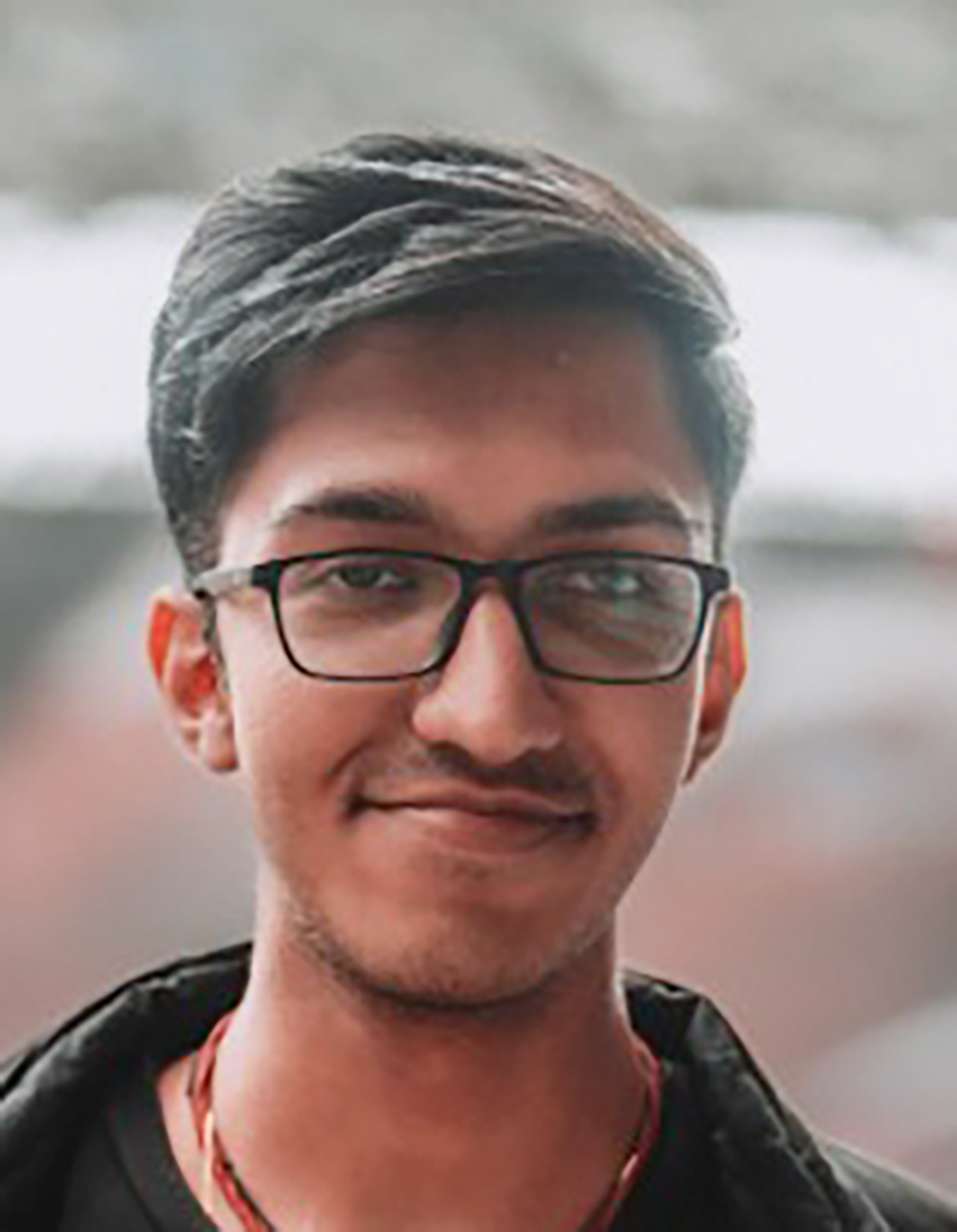
Hanu Trivedi
Media and Event Planning professional. Financial Planning and Management.
Graphic Designer and Professor Emeritus at Kobe Design University, Japan, Kohei Sugiura has created an inexhaustible wealth of design works — which have influenced a whole generation of leading designers all over Asia.
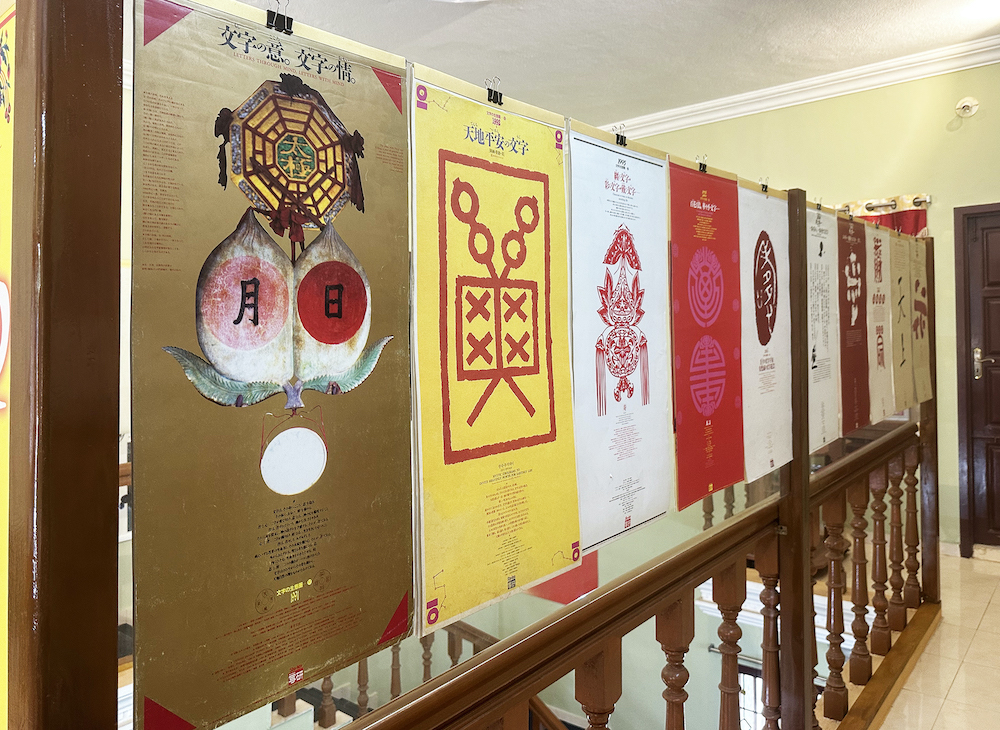
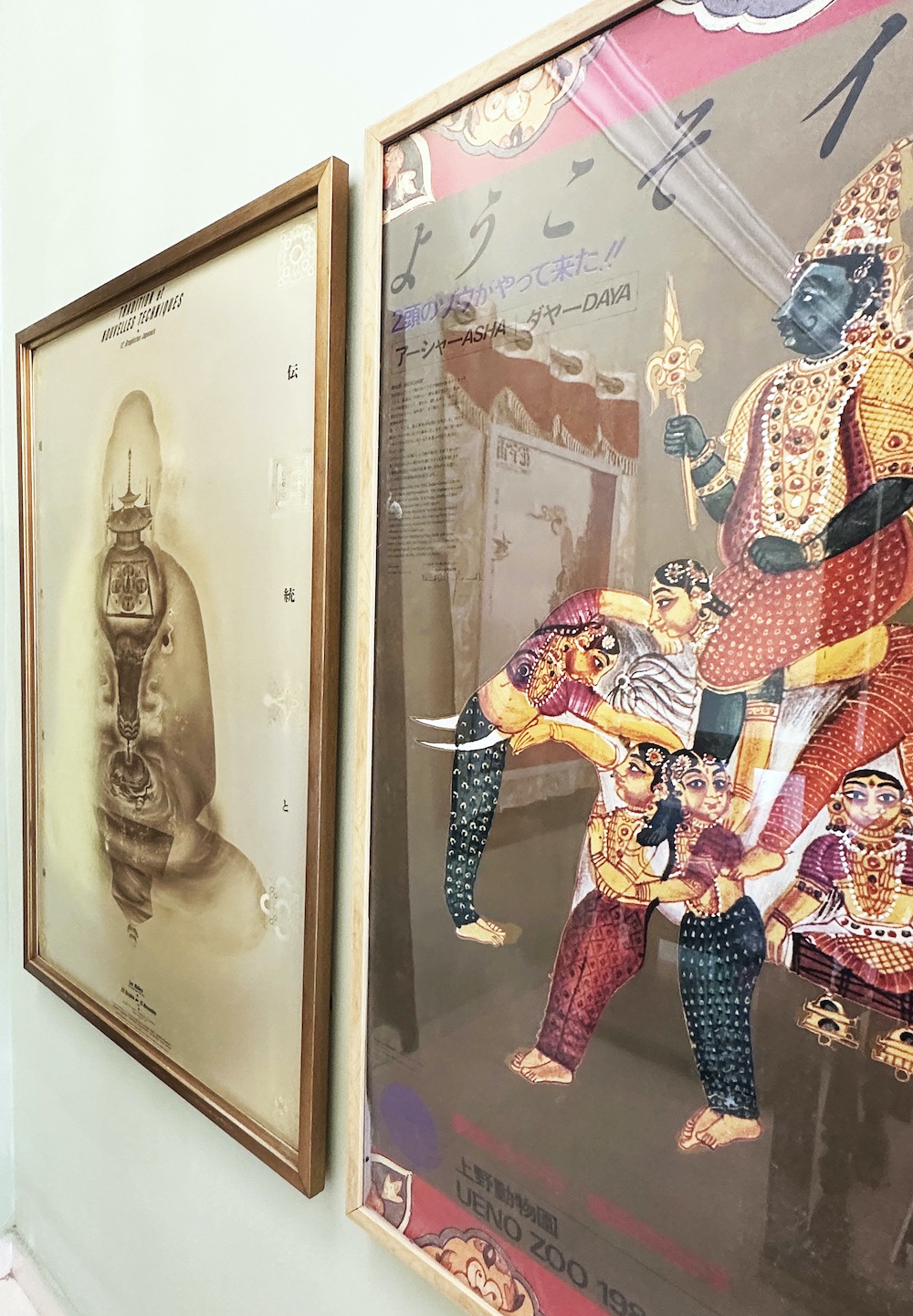
The permanent exhibition at Villa Appavou houses the only collection of Kohei Sugiura's most significant works in the world, outside Japan — Books, Posters, Publications, Calendars and Graphic Design examples from across a career spanning six decades.
The exhibition is a working archive, available to students, researchers, and visitors as a primary material for the study of Kohei Sugiura Design Methodology. As most of the material on display is Japanese, conducted tours to explain the works to groups of visitors from the design community can be arranged with prior arrangement.
Research in Indic Scripts is an important area of work with many emerging applications, but very little dedicated work is being done at an Institute level with clearly defined long term objectives. Efforts are required in archiving and documentation, developing new standards and getting them accepted, designing and developing new fonts for the many Indic scripts for new digital applications, and also research in Indian language Typography.
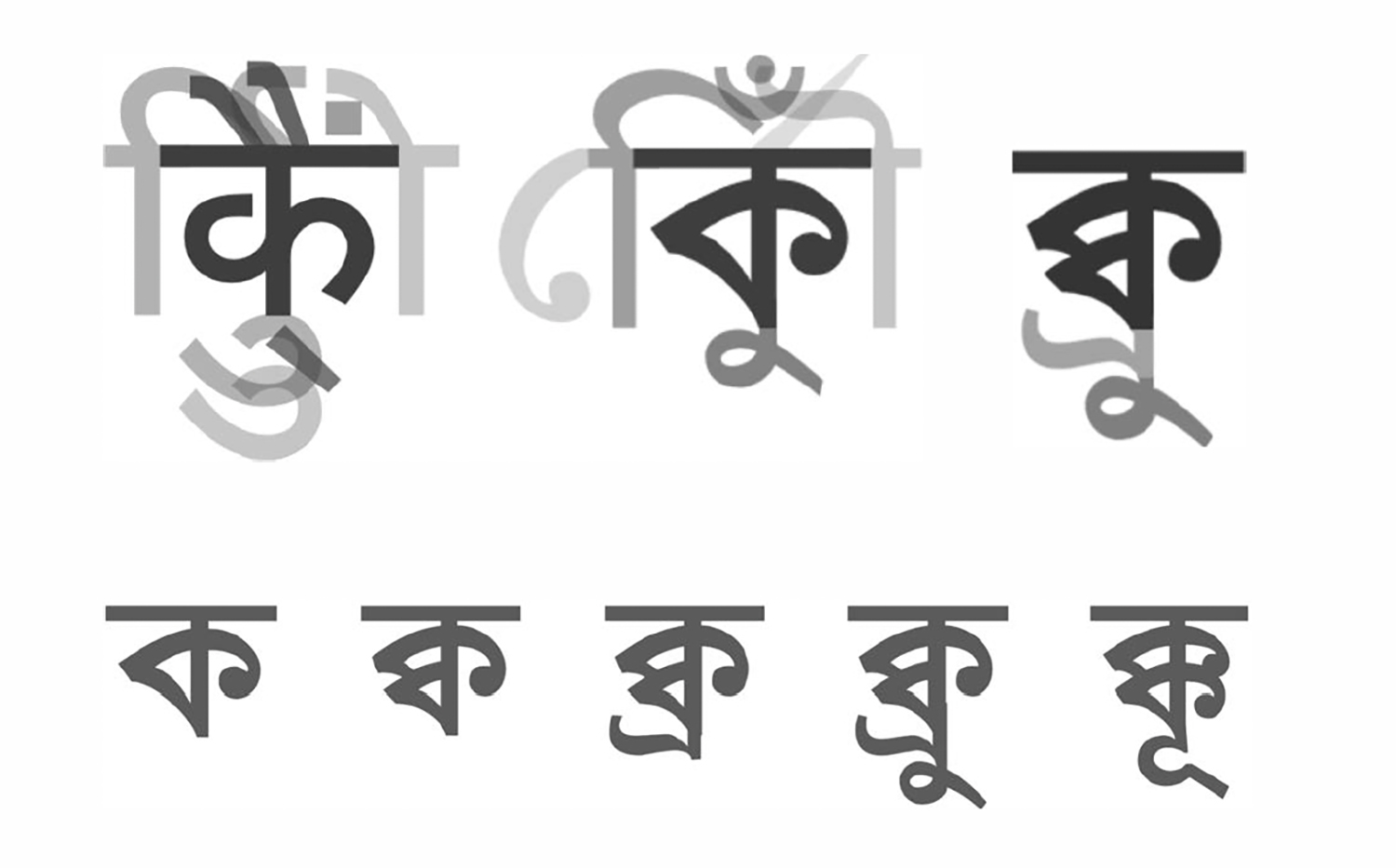
The 'Indic Scripts Research Centre (ISRC)' at SAKS, will conduct research in the following areas:
Documentation of various Indic scripts: history, development of letterforms, major landmarks, important personalities related to Indic scripts and their work.
Compiling letterforms specimens from different eras and periods: from Stone-inscriptions to Palm-leaf and Paper Manuscripts, fonts from Letterpress, Phototypesetting, and Digital era.
Font development for new and emerging applications.
Standardization issues: Keyboard layouts etc for Indian scripts. Working towards getting standards in place.
Typography and Typographical Research and Experimentation in Indic scripts.
Readability and Legibility Research for Indic scripts.
Research into Bilingual, Tri-lingual and Multi-lingual Typography.
Formal and Visual aspects of Indic Scripts.
Organizing Workshops, and Seminars related to Indic Scripts.
An active Publication Programme to disseminate the research work being done.
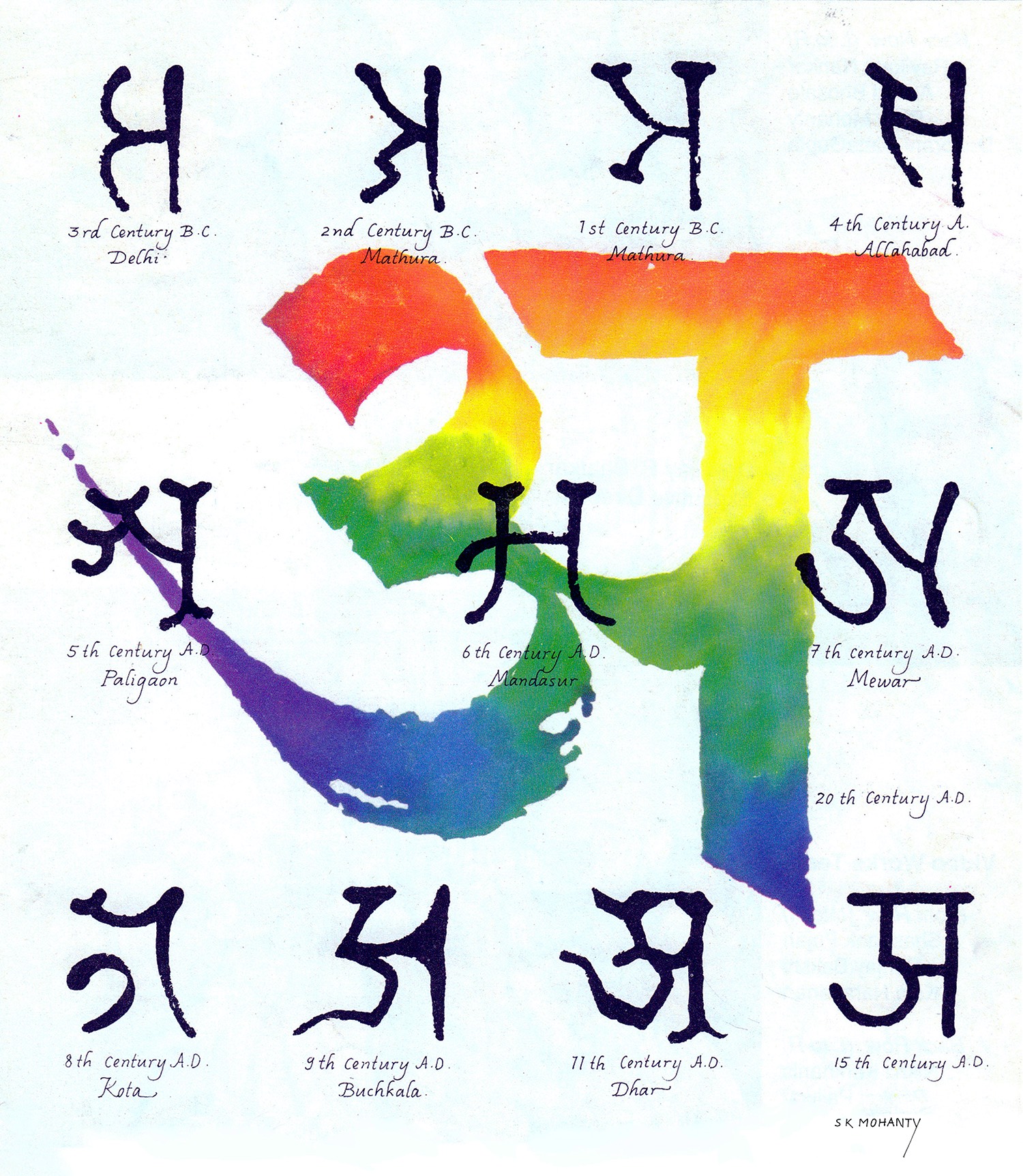
The Indic Script Research Centre at SAKS is headed by India's most respected Font Designer SK Mohanty. He is the Co-founder and Chief Font Design Architect at Reverie Language Technologies.
With over 35 years of experience in Digital Font Design and development of fonts for Indic scripts from South-East Asian Languages, Multilingual Technology Products, Aesthetics, Visual Communication and Calligraphy, he has played a crucial role in the standardization and font design of Indic Scripts for print and digital medium since the early 90s when India had no stable solution for these.
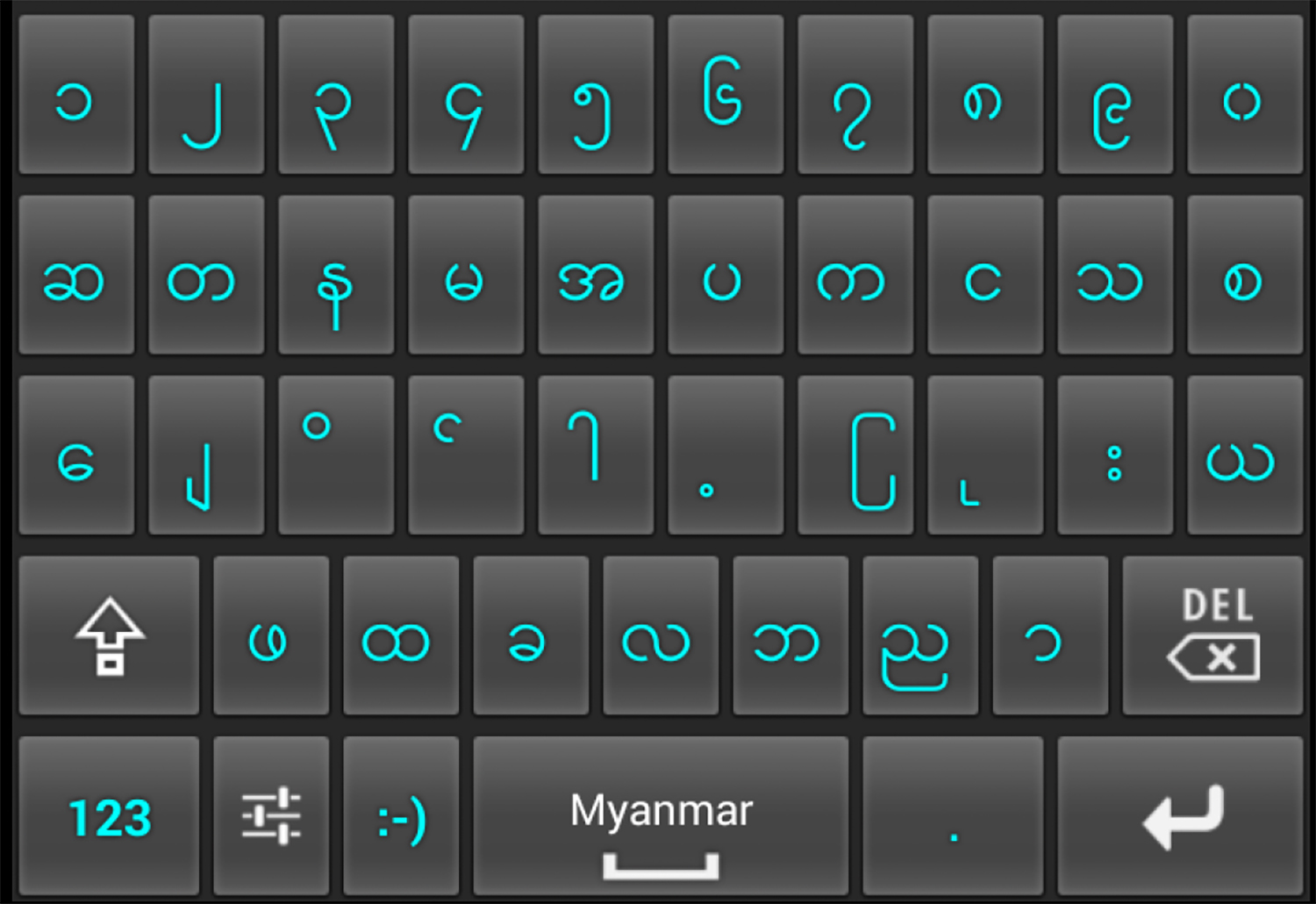
Mobile phone keyboard for Myanmar script
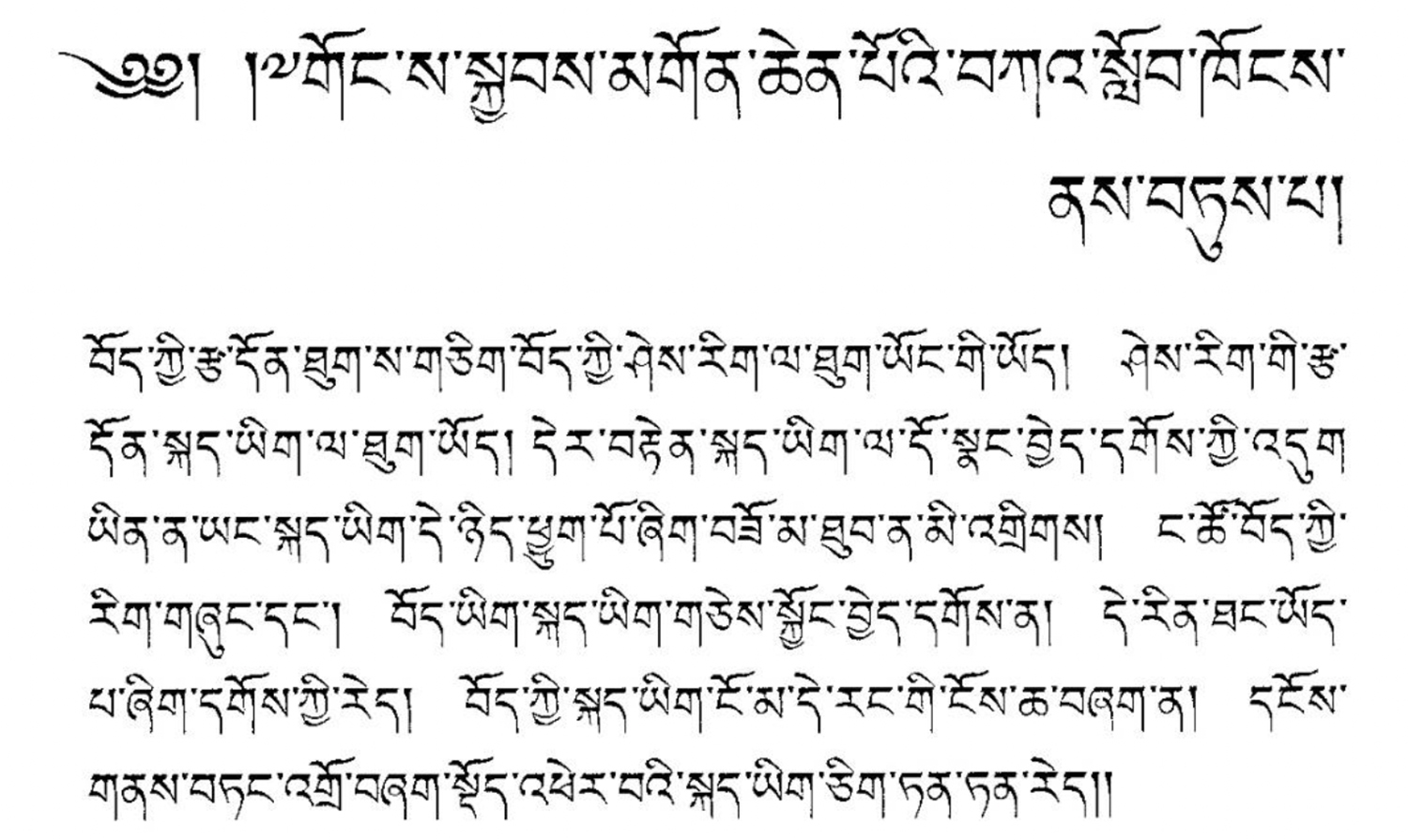
Sambhota: Tibetan Uchen font design by SK Mohanty
An active publication programme to disseminate research work — including a bi-annual journal Matrika, and documentation of the work of Indian Typographers and Font Designers will be a major activity at SAKS.
Some of the publications planned are:
- — A book on 'Indian Letterforms: from Inscriptions to Manuscripts'
- — Indic Font Designs of SK Mohanty
- — 'Paushkara Samhita Mandalas'
- — English translation of 'Matrika Vilas'
- — A Series of Booklets on 'Letterforms from Handwritten Manuscripts'
- — 'Indian Symbology' — Reprint of the Proceedings of Seminar on Indian Symbology
- — 'Akshrayoga' — Reprint of the long out-of-print portfolio of Indian Calligraphy
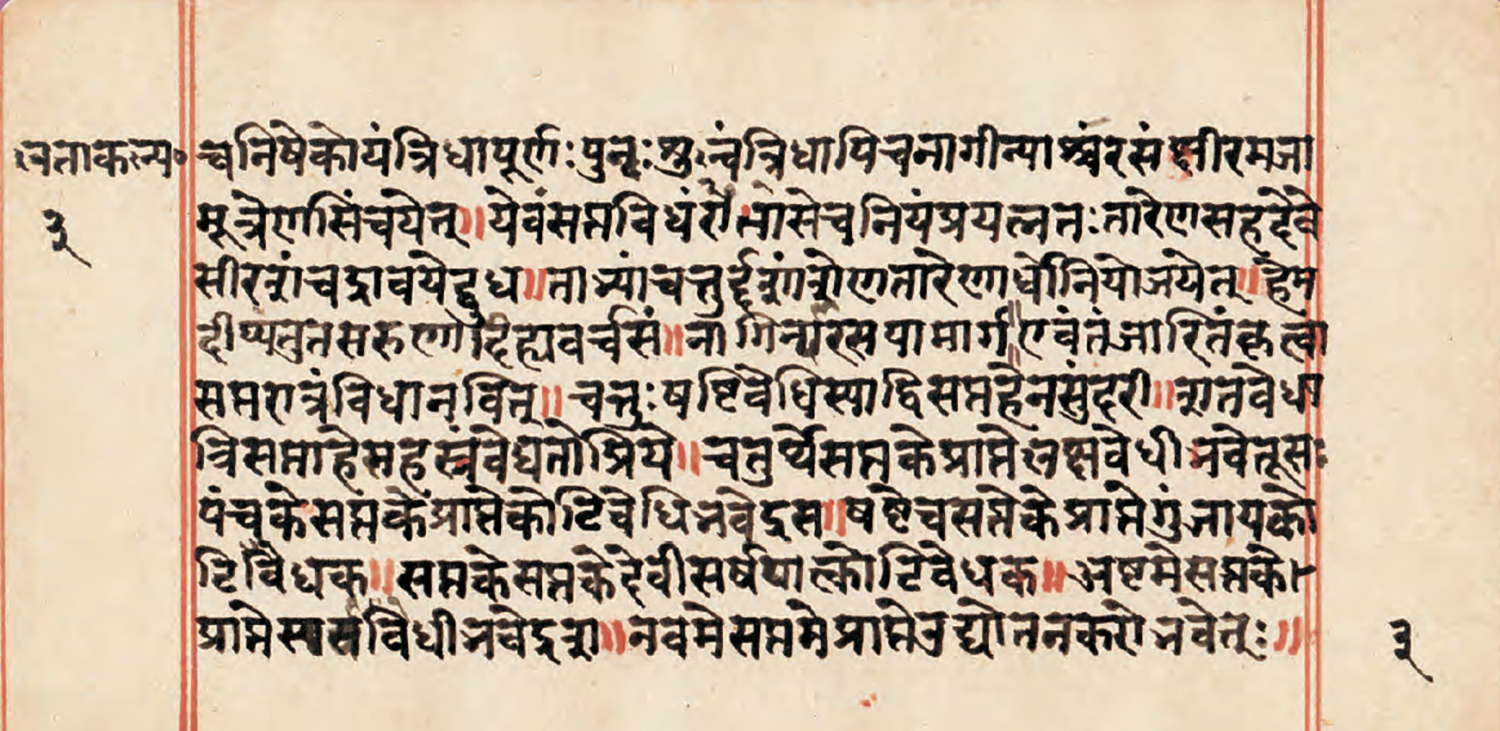
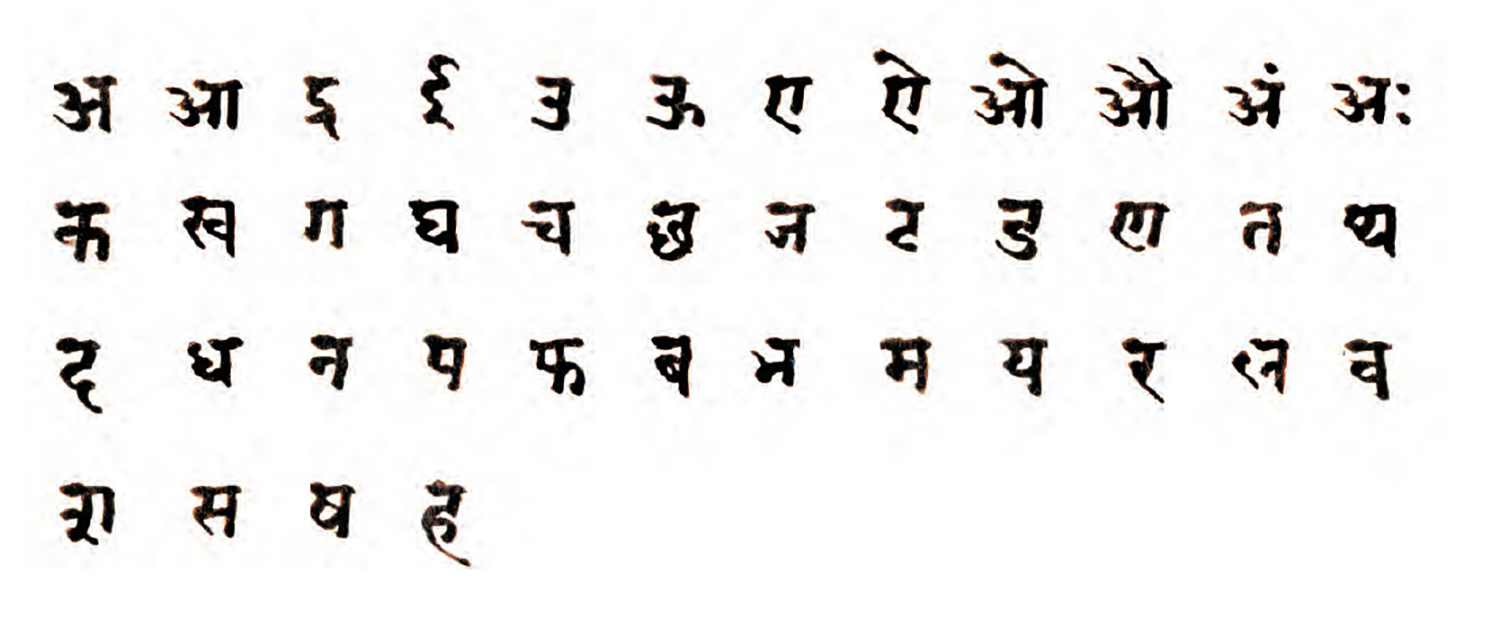
Ongoing research on extraction of full alphabet set from old handwritten manuscripts as a reference for Devanagari font design.
Editor: Kirti Trivedi Designer: Muktha Hiremath
A bi-annual journal devoted to Indic Scripts — to bridge the gap which exists in this major area of Indic Script Studies, available in both print and online versions.
Each issue will have a major feature on an important Font Designer of Indic Scripts; Case Study of a specific Indic Font Design; a research-based contribution; an article on the philosophy of Indian Letterforms, and a Visual Feature.
for Young Creative Professionals
The Fellowships for Creative Exploration have been created because the condition that most consistently produces significant creative work is one that most institutions find hard to provide: unstructured time, with modest material security, in a place with genuine intellectual depth. Six fellowships are offered annually to selected creative individuals — to enable them to spend a year in the spiritual ambience of Puducherry, to conduct free creative explorations in areas of their own choosing.
The objective is to provide a space to work together, discovering one's own inner nature in a spirit of exploration without institutional structures or rules.
The presence of other creative individuals, and the spiritual ambience of Puducherry — with the Sri Aurobindo Ashram, Auroville, Matri Mandir, and the pristine beauty of nature — will allow the fellows to find their own calling and voice in an atmosphere of complete freedom, much like classical vocalists try to find their own voice (swara), by working alone.
Each fellow would receive a stipend of Rs 50,000 per month for the year — supported through the generosity of individual donors, foundations, and institutions who believe that sustained creative inquiry deserves direct material support.
The only formal expectation from the Fellows is a single Public Presentation at the close of the year — what form that takes: lecture, exhibition, performance, workshop, or publication, is entirely the fellow's decision.
The fellowships are cross-disciplinary: emerging Digital and Immersive Media, Interactive Arts, Fine Arts, Music, Dance, and Design research are all equally welcome.
Time to work.
Space to think.
A community to think with.
14 August, 2026
17 August, 2026 (preferably at SAKS, Puducherry, but online, in case travelling is difficult)
24 August, 2026
1 October, 2026
Spend a year discovering yourself in an atmosphere of full freedom, surrounded by equally talented individuals at Sri Aurobindo Kala Sangam (SAKS) in Puducherry, India. It may well be a life-changing step for you, and the biggest favour you would do yourself!
To apply send your CV, portfolio of selected work, and a handwritten 'Statement of Intent' to:
director@sriaurobindokalasangam.org
Leading designers all over Asia have now begun to re-interpret design with an Asian sensibility, as an alternative to international modernism, to re-invigorate the world of Art and Design. The Master leading the way forward — both through his work and his writings — is Prof Kohei Sugiura of Japan. He is the greatest book designer ever in human history, taking the practice of designing books to heights never achieved before, through the unbelievable output, breadth and depth of his work.
His work draws upon the entire visual culture of mankind; and takes it to a grand finale, as we approach the end of an era which began with the 'Gutenberg Bible', and now is poised to give way to digital media with new horizons opening up for future forms of the book.
A series of six one-week workshops will be conducted by Prof Kirti Trivedi, on the Design Methodology of Prof Sugiura. All workshops will be conducted through explanatory material, examples of actual books, videos of Prof Sugiura explaining his own design process, and design assignments to internalize the methodologies and the concepts. The number of participants in each workshop is limited to 12 only; to ensure personalized attention to all participants.
₹25,000 per module. Includes course material, lunch, and refreshments. Does not include accommodation.
Seats will be allotted on a first-come basis. An advance of Rs 5000/- will be payable to confirm the booking for a particular workshop, the balance to be paid at the commencement of the workshop.
Applications to be made using the Sugiura workshop booking form, indicating the courses one would like to attend.
Click here to book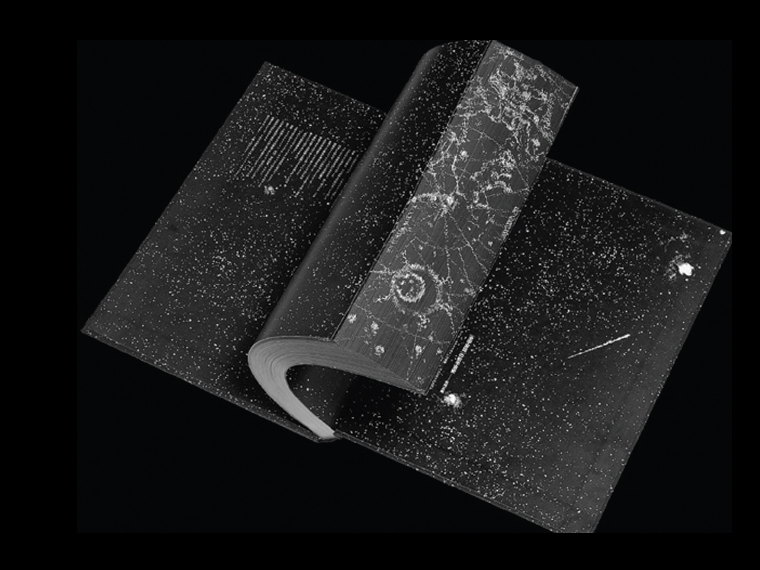
Though a single piece of paper is a two-dimensional surface, when folded and bound together in sequence, it becomes a three-dimensional object with six sides, with each side having its unique characteristics and potential. Seen from this perspective, book design becomes much more than just doing layout of the cover and individual pages.
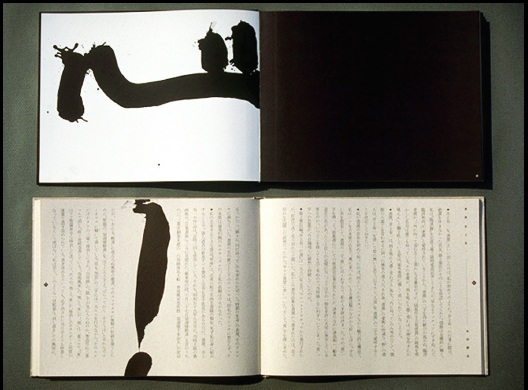
The inherent duality of the cosmic order, where two opposites combine as the basis of creation, is the basic theme of this workshop. Through numerous examples of duality in the world phenomena, and examples of the use of this principle in Prof Sugiura's design works, the workshop will enhance understanding of 'unity in duality and duality in unity'.
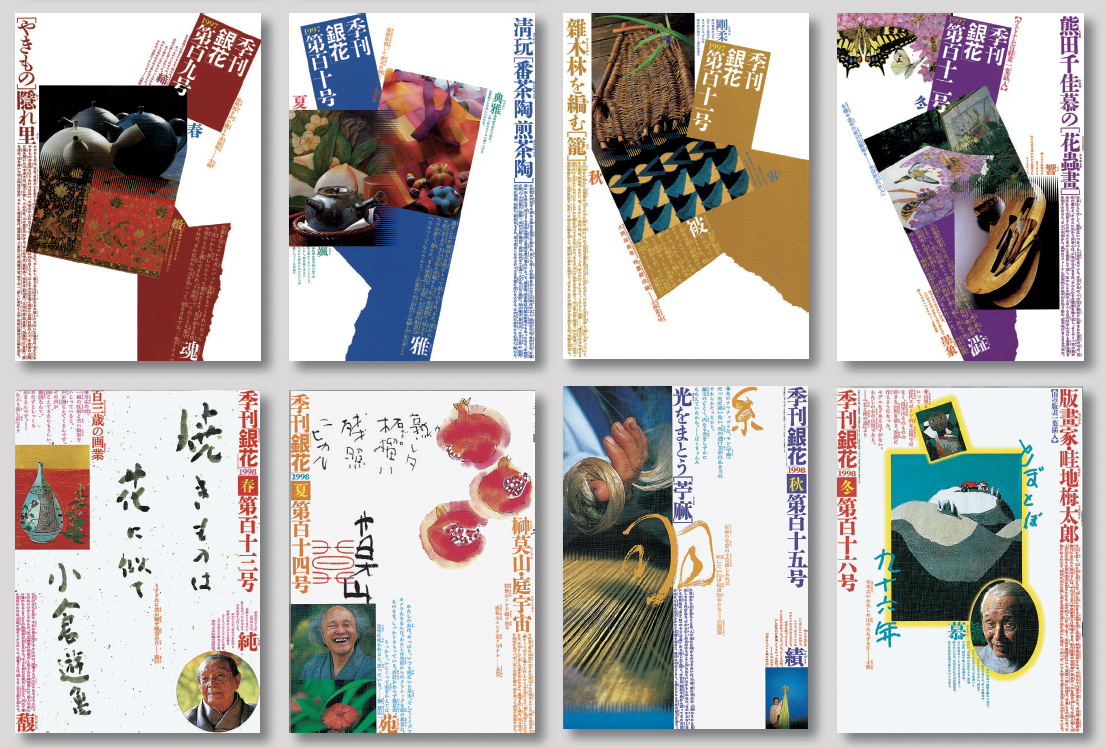
The idea of variation as a generative design tool — with the exploration of a set of rules that produce different outcomes depending on how they are applied — is one of the major methods used by Prof Sugiura. This module studies variation programs drawn from natural and mathematical structures.
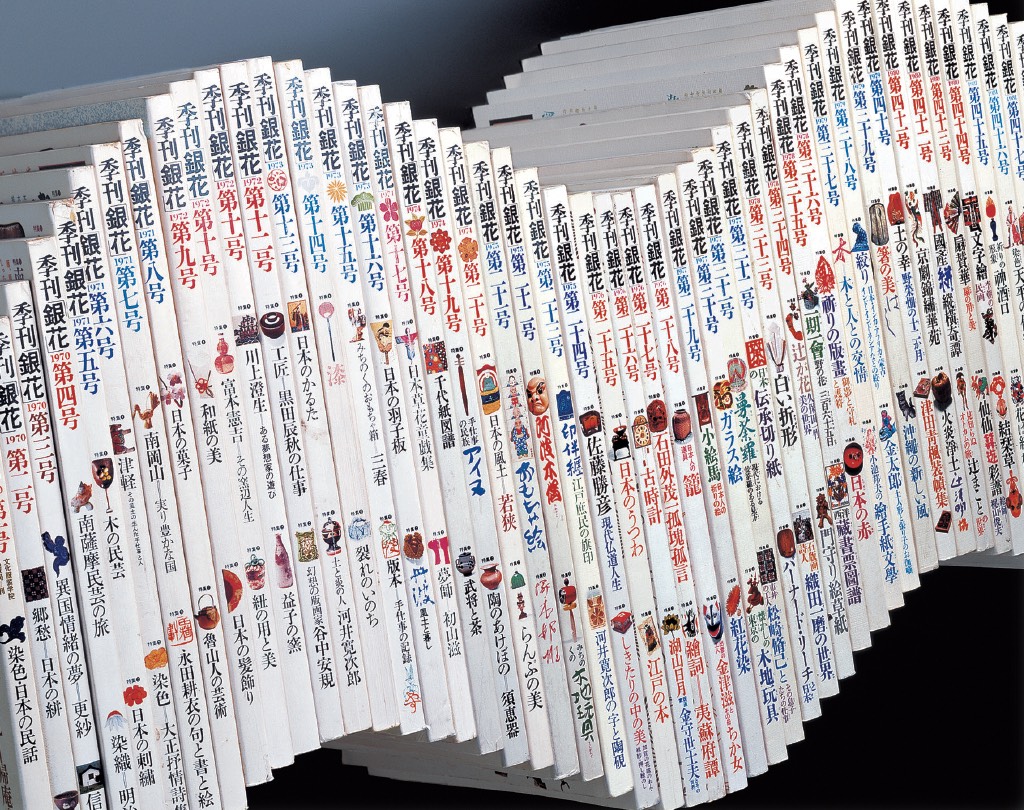
The magazine as a design form is distinct from the book in its relationship to time, to seriality, to the coexistence of many different voices and content types within a single visual system. This module studies magazine design as a sustained typographic and editorial problem — drawing on Sugiura's own extensive work in Japanese magazines.
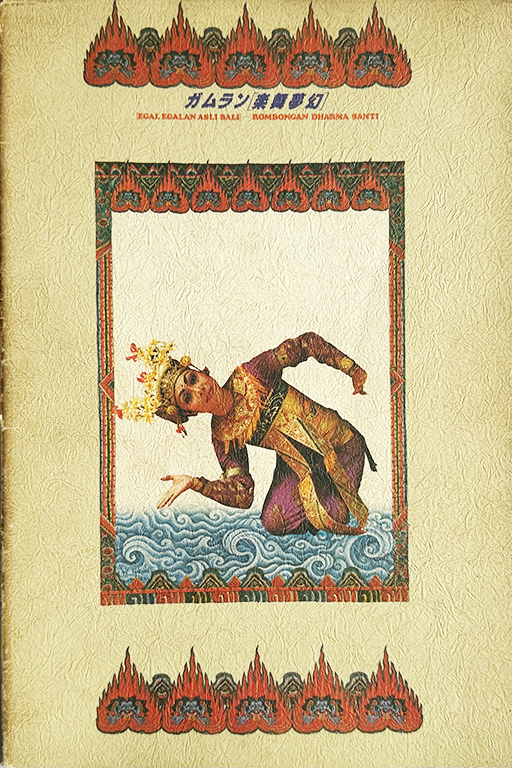
The traditional Asian Way of Designing, developed over 5000 years through the collective ideas of three major Asian cultures — Indian, Chinese and Persian — is a treasure trove of ideas for contemporary design. How these have been assimilated and taken forward in Prof Sugiura's work is the basic theme of this workshop.
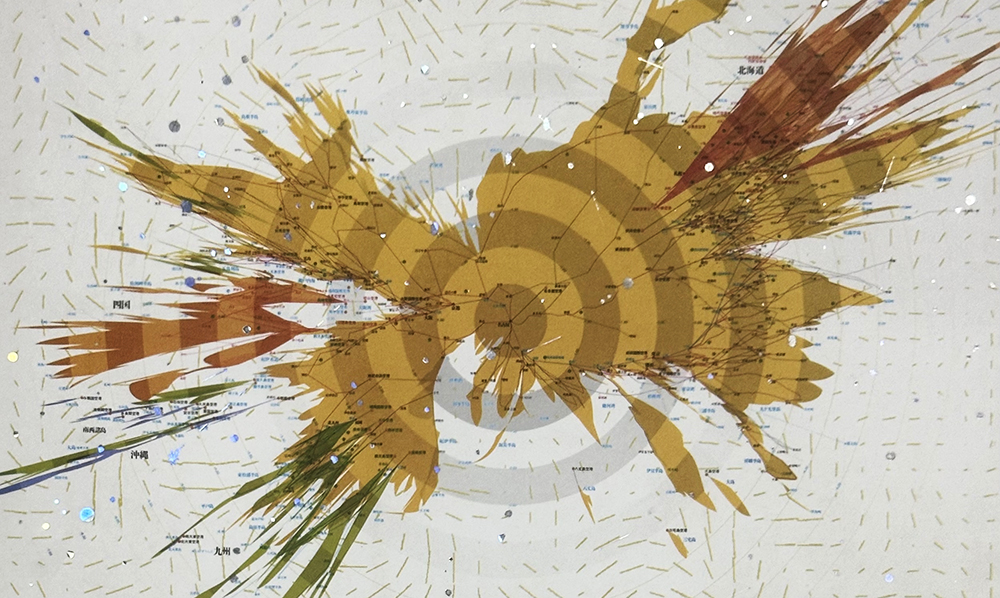
Prof Sugiura's extensive body of work in the area of visual information diagrams is without parallel: opening new possibilities and perspectives to explain different phenomena. From 'Time-distance Maps' to '3D Maps of the Constellations' — each work opens another way of presenting information.
All workshops will be conducted at Sri Aurobindo Kala Sangam in Puducherry.
The program addresses the problem of serious shortage of Design Educators who can lead design programs in design schools across the country. It is aimed at those for whom teaching is a vocation, and not a job. It is for those who actually enjoy being with young people and watch them flower.
Teaching design is different from teaching other disciplines where only knowledge has to be transferred. One cannot teach design by transferring one's knowledge to the students' minds nor by showing examples of what should be done. One has to learn to create a great learning environment where students learn without the teacher teaching.
The carefully curated curriculum will give inputs on Design Pedagogy and History of Design; talk about great design teachers and how they taught; understanding the essentials for post-AI design learning; and specific inputs for organising learning for various specializations — because product design needs a different approach from typography, and working systematically and objectively works better when one can also be spontaneous and subjective.
The participants will be expected to design their own learning programs. By the end of the year, all will have learnt how to be a great teacher without actually teaching.
Built for the post-AI context, the programs take seriously what AI changes about design education — not as a threat to manage, but as a clarification of what only human educators can actually do: nurture a person's own creative voice.
- — Understanding Design Education
- — History of Design Education & the Great Masters
- — The Foundation Program
- — Design Specializations
- — Design Methods
- — Teaching Practice I
- — Research Project I
- — Design Aptitude Assessment
- — Planning Course Outcomes & Objectives
- — Post-AI Design Education
- — Nurturing Subjectivity & Creativity
- — Planning Design Assignments
- — Managing Design Programs
- — Capstone Project
The PG Program faculty members are among India's most distinguished design educators — supporting the program because they believe in this project, and in the change it will bring about in India's design education eco-system.
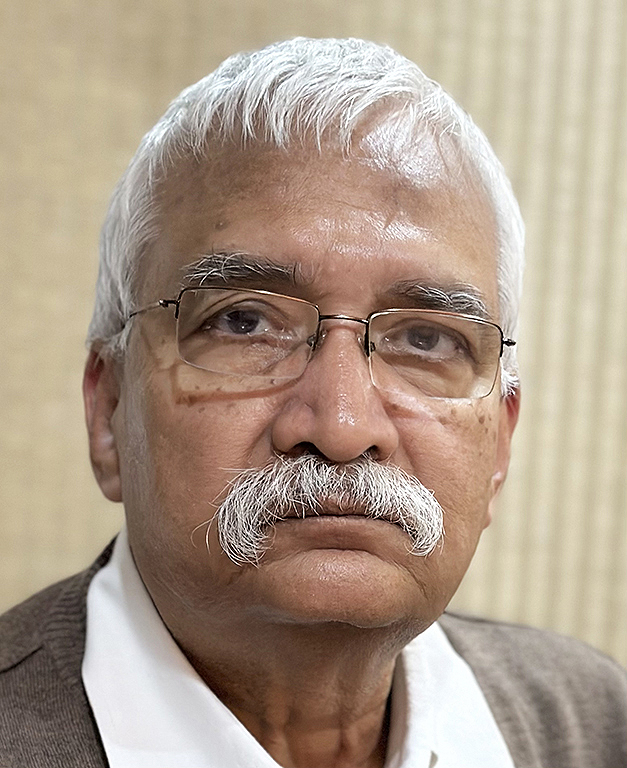
Prof Kirti Trivedi
Program Director, Design Educator & Designer
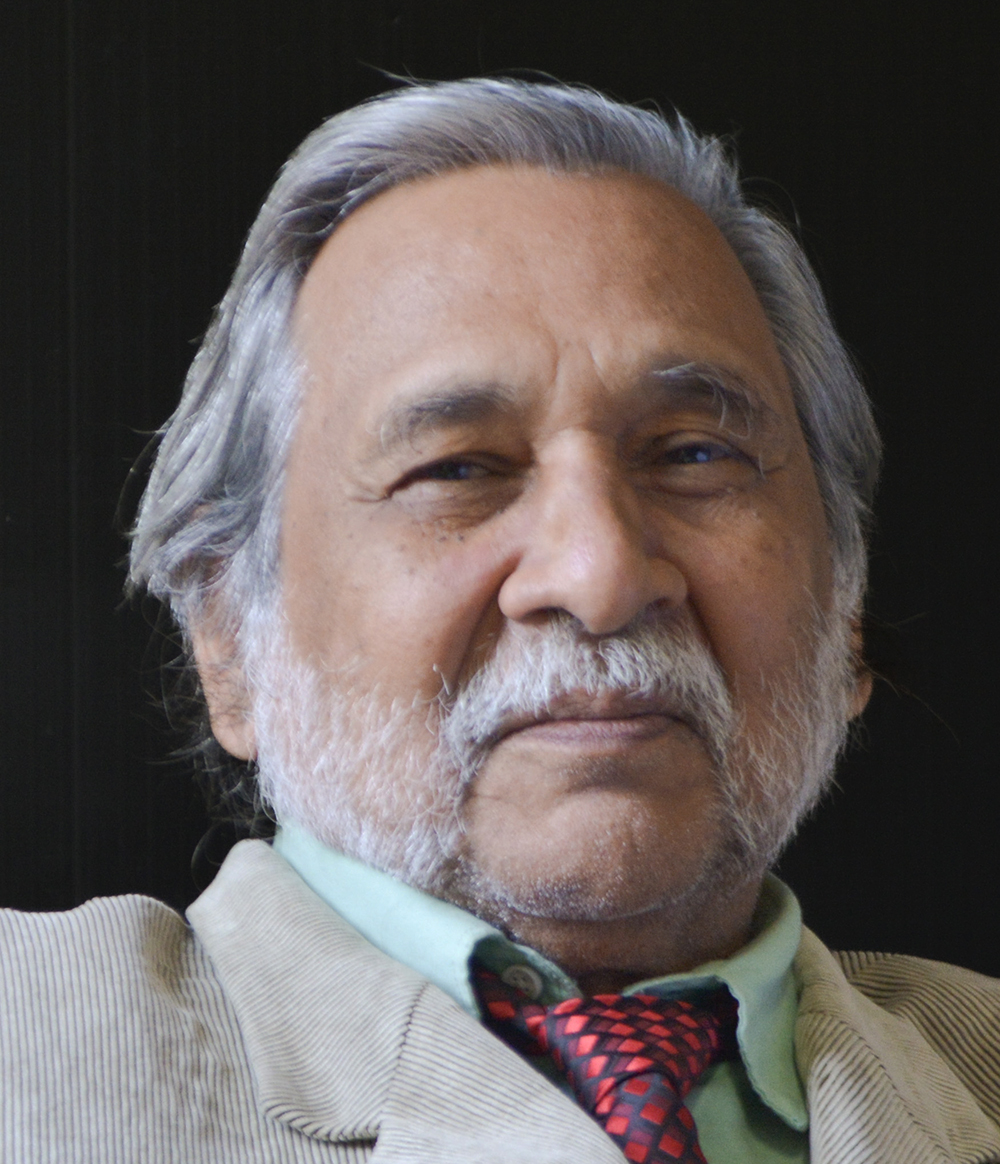
Prof Lalit Kumar Das
Founder, Department of Design, IIT Delhi
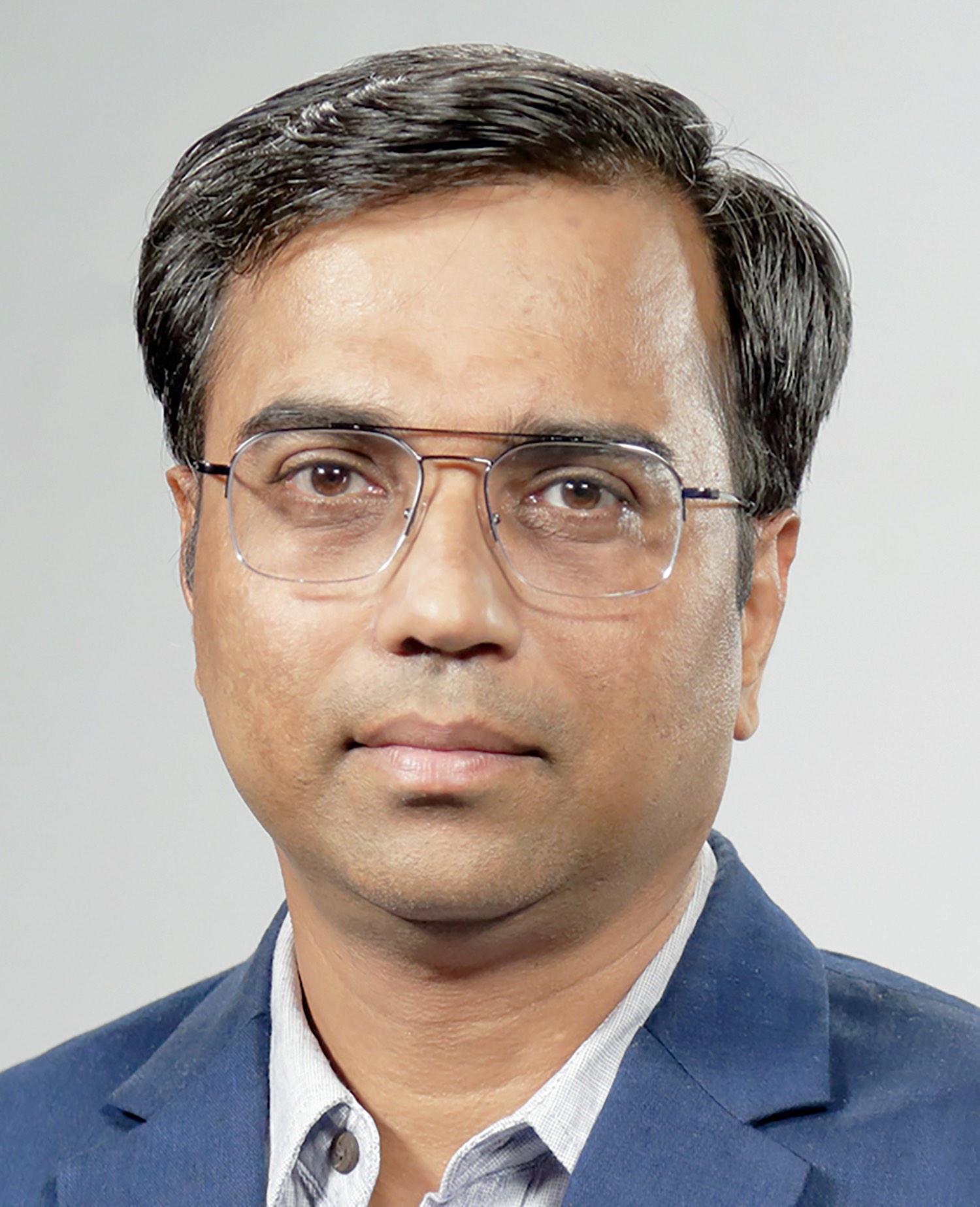
Prof Praveen Nahar
Head, DoD, IIT Gandhinagar
Hari Sankaran
Educationist & Policy Planner
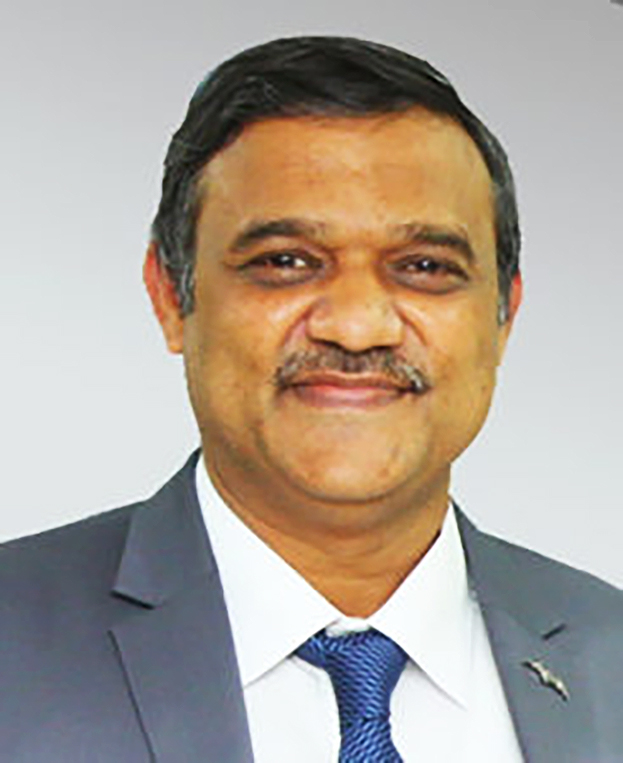
Dr Dinesh Katre
Founder & Director, EngramLogic, Pune
S K Mohanty
Typographer & Font Designer, Bangalore
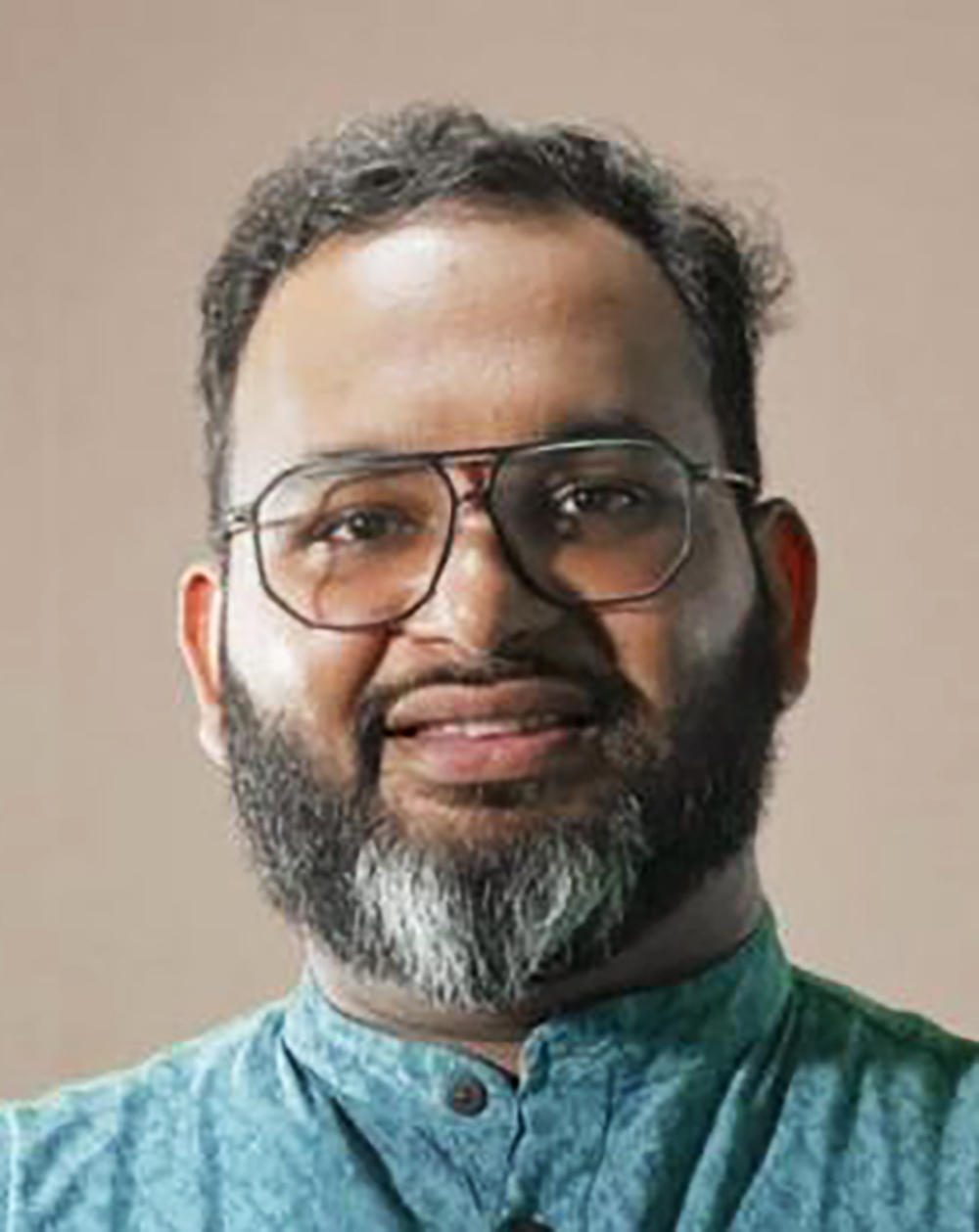
Dr Saurabh Tewari
DoD, IIT Delhi
Radhika Tipnis
Publication Designer and Digital Illustrator
Harsh Kadam
Environmental & Digital Artist
Do I need to be currently teaching to apply?
No — the program is open to designers with a BDes, MDes, or PhD in Design. You do not need to be actively teaching, though the program is designed for those who intend to make teaching their life-long career.
What does 'sponsored candidate' mean?
A Sponsored candidate is a faculty member from an existing Design School, that commits to have the faculty back after completion of the course. SAKS gives preference to sponsored candidates because it increases the chance that program learnings are applied back in a real institutional context.
Is accommodation provided?
Participants arrange their own accommodation in Puducherry. Accommodation advisory and assistance will be provided on acceptance.
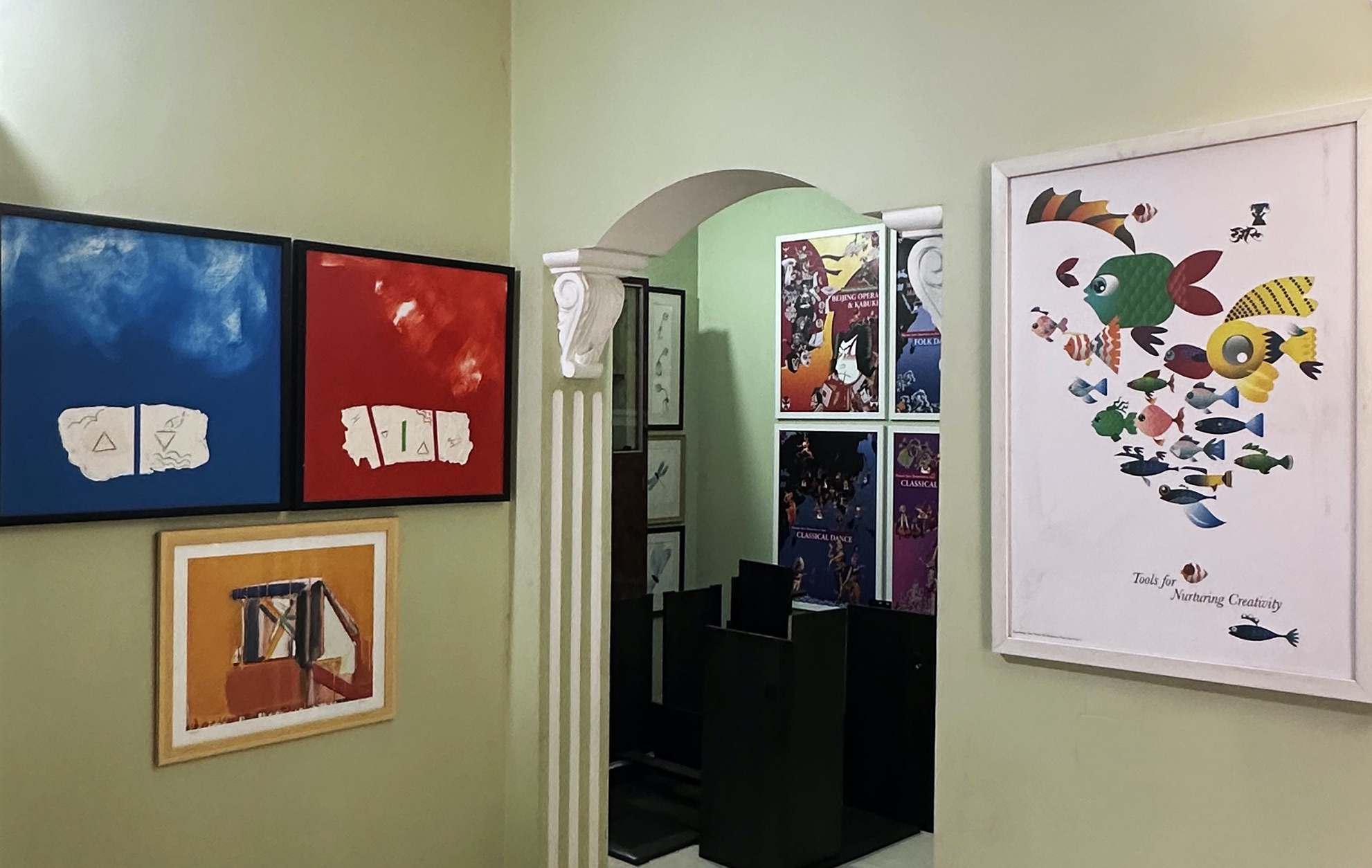
SAKS is also establishing an Art Gallery and Exhibition space for invited artists and designers — adding to the cultural landscape of Puducherry and making SAKS a genuine meeting place for creative people in the city.
The Art Gallery has a collection of limited edition original posters and prints; original works by artists including the Geometric Cosmological paintings of Sneha Lakshman to the Digital Illustrations and Tantric works of Harshvardhan Kadam; and Paintings and drawings by Pradnya More; Utpal Barua; Original Photographic Prints by Kirti Trivedi and other works.
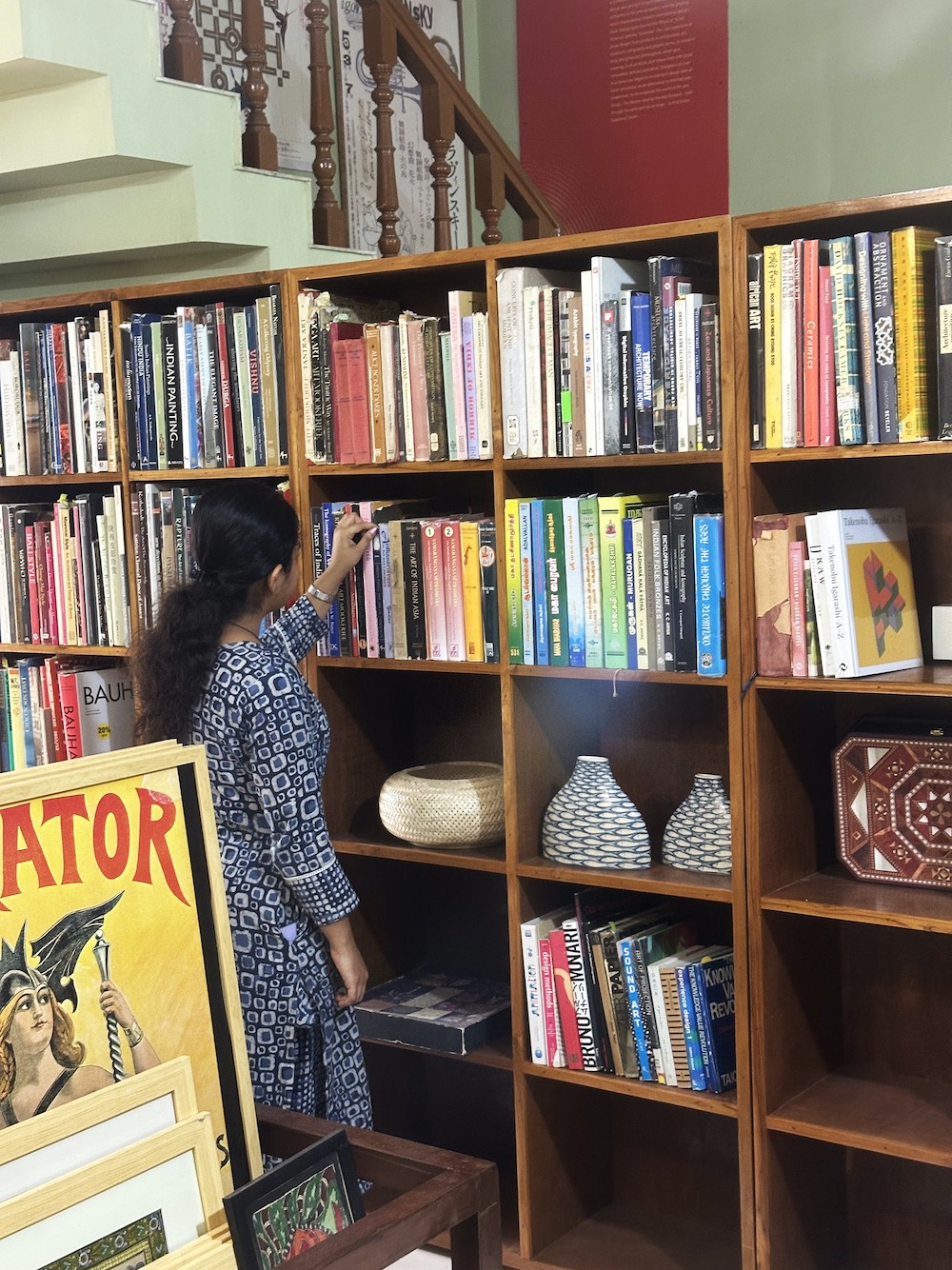
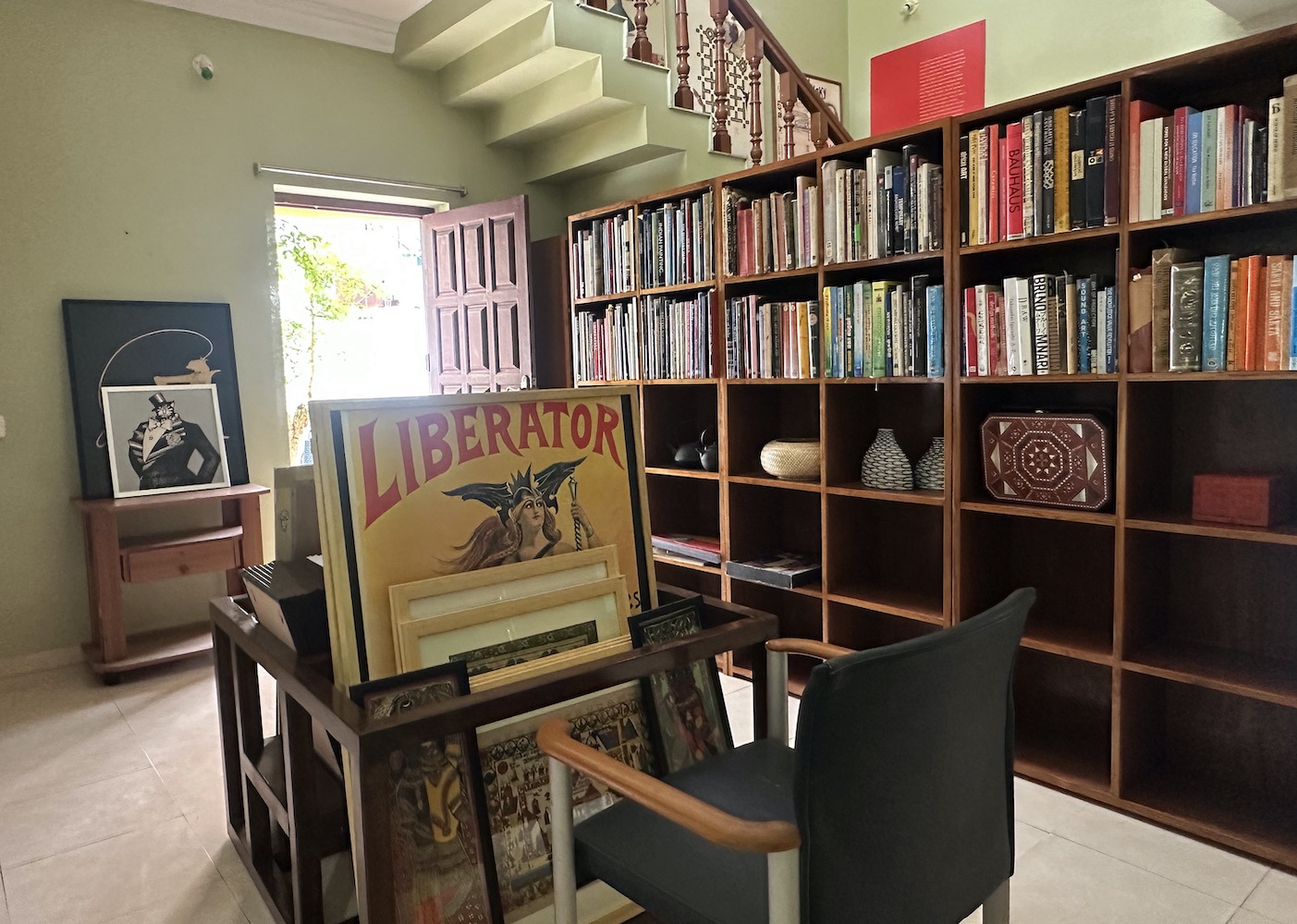
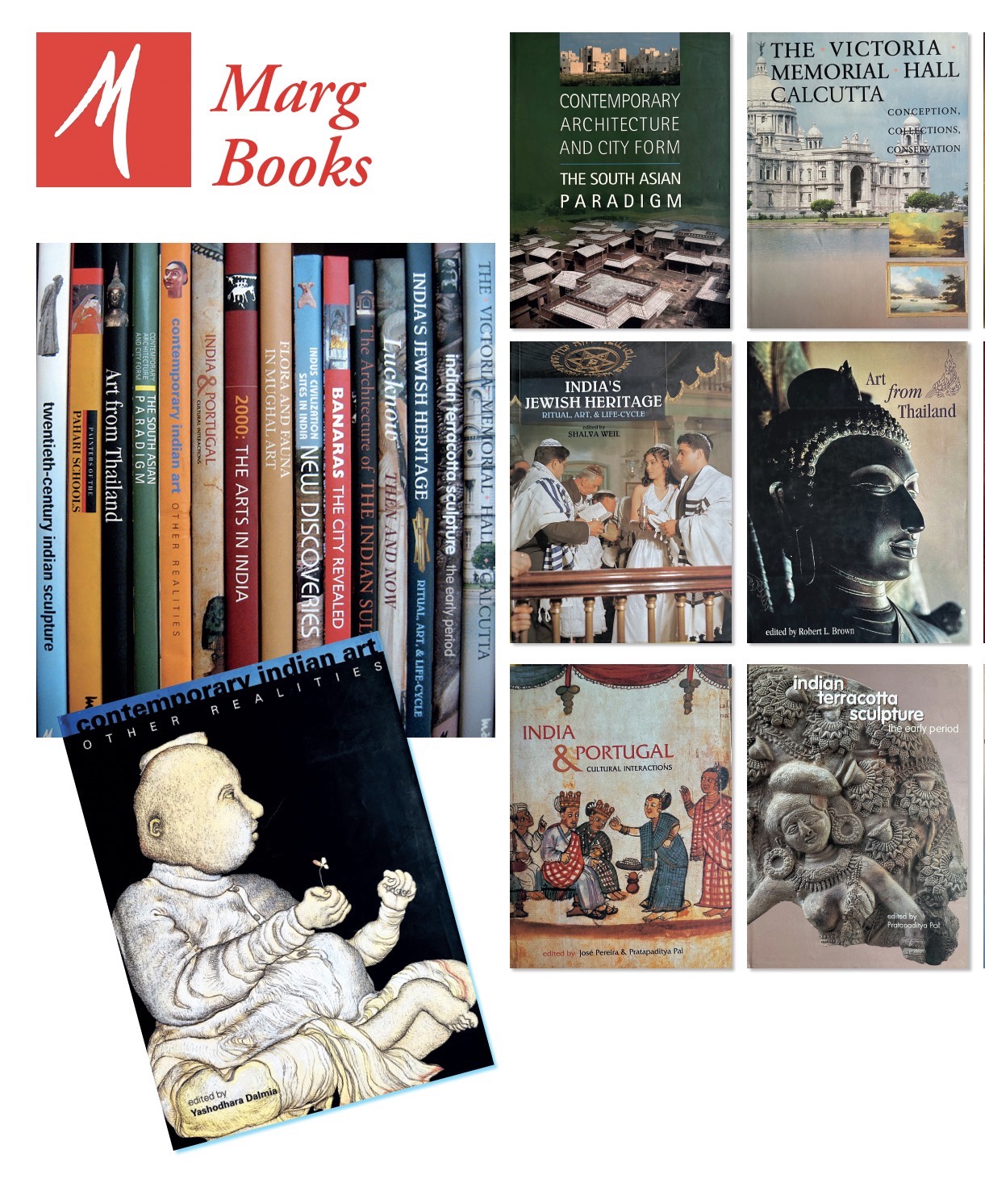
The Bookshop will have a constantly changing collection of rare Art and Design books with special focus on India and Asia: Design and Visual Culture.
The founding partners of SAKS, all eminent professionals in their own fields, will be able to team together as necessary to provide full and comprehensive design services in the following areas:
Permanent and temporary exhibitions, Museum Design, Environmental Narrative, and Spatial Storytelling.
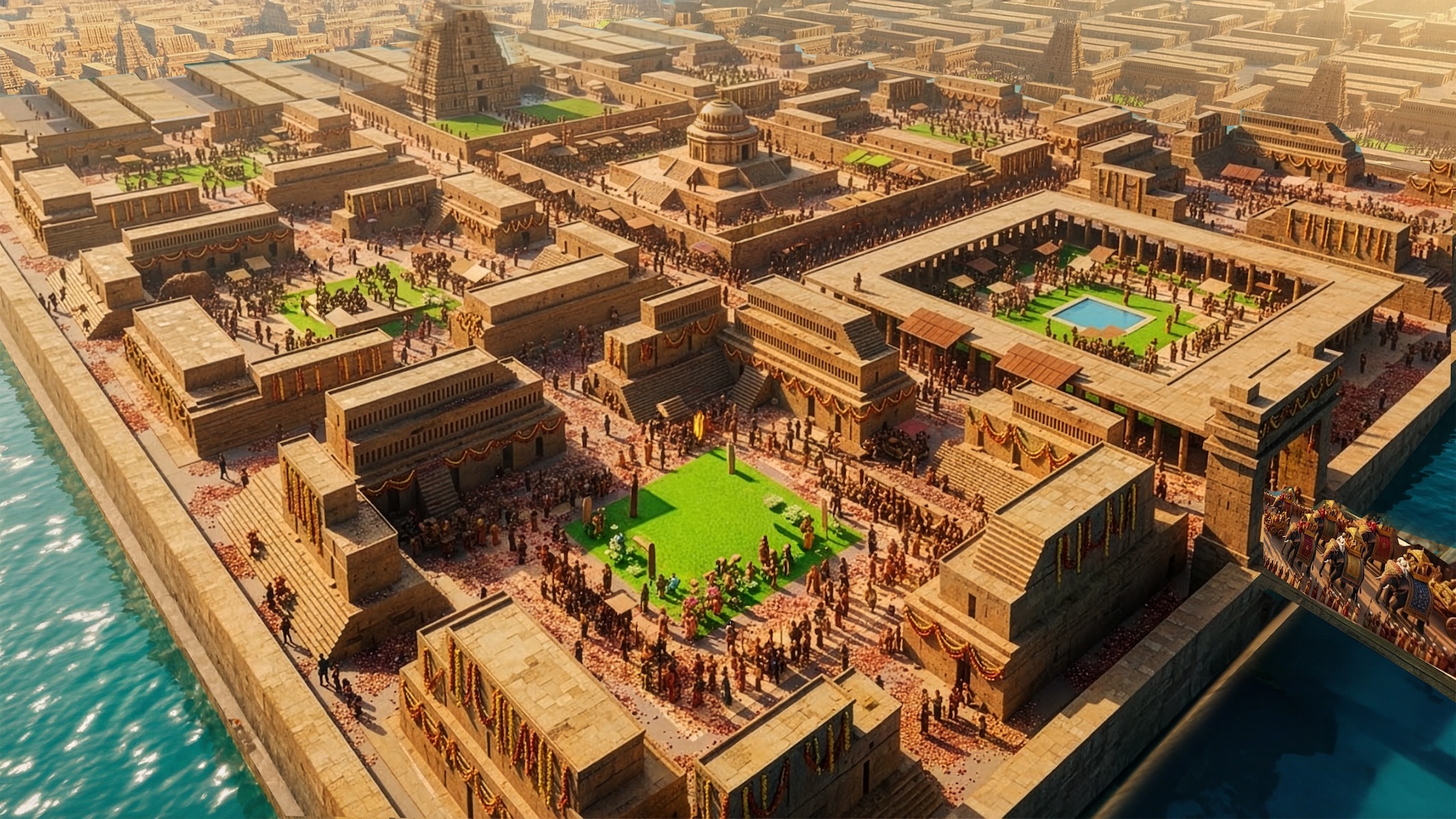
Immersive Experience Design, Interactive Installations, and Digital-physical Hybrid Environments. Combining the depth of Indian Aesthetic Traditions with emerging technology possibilities.
Design of Wayfinding Systems and Signage design — with particular expertise in digital solutions and bilingual and multilingual applications for Indian public spaces.
Books, Magazines, Communication Design in Print and Digital Media; and Visual Identity Design.
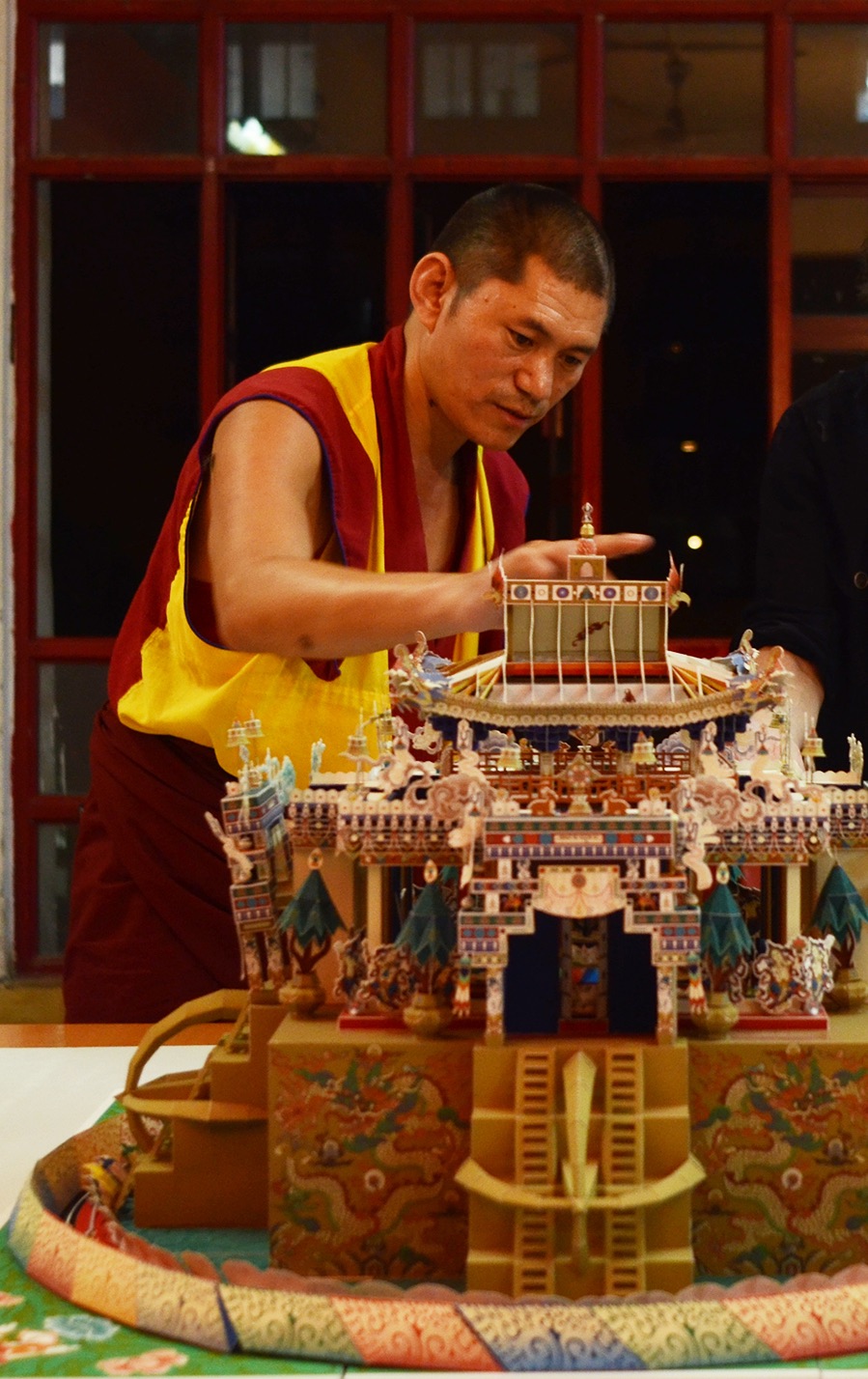
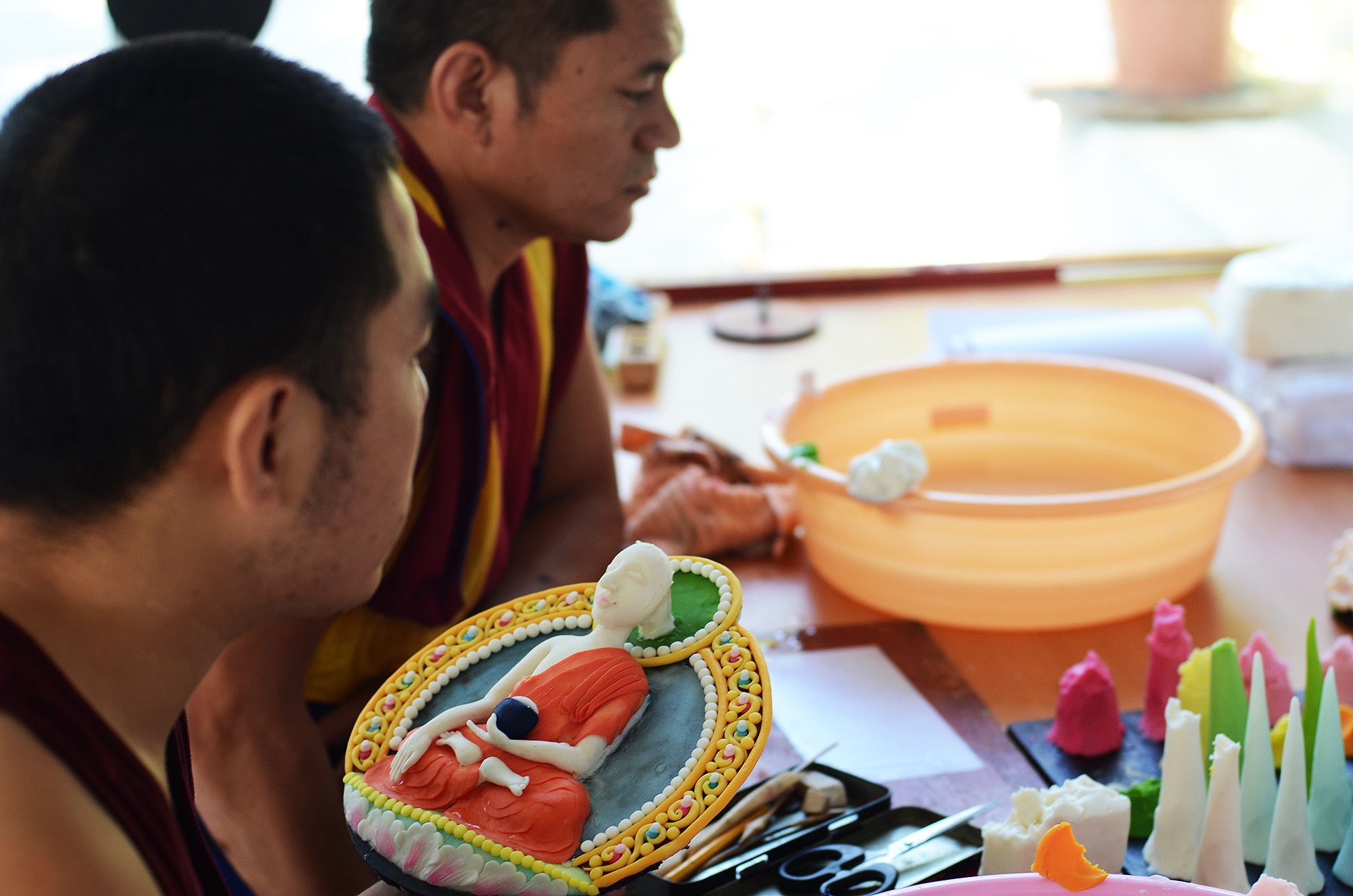
India is blessed with practitioners who carry traditions that are simultaneously ancient and living — Master Temple Architects; Performing Arts Gurus; Classical Musicians; Philosophers and Seers who enlighten with their clarity. Most of these practitioners do not teach formally. It is planned to invite them to SAKS to conduct short courses and workshops at regular frequency.
Specific workshops, dates, and practitioners will be announced regularly as they are planned and details confirmed. If you would like to be informed of such events, please sign up to receive regular intimations.
It is a place where artists, musicians, dancers, and researchers come to work outside the pressure of a metropolitan art market — and where that independence is normal rather than unusual.
Puducherry has numerous Yoga, Meditation, Dance and Music courses, Craft Workshops and Studios, and a large community of artists to forge friendships for life. The French Quarter, the Ashram neighbourhood, the proximity to Tamil Nadu's craft and temple architecture tradition give the town an unusual density of serious practitioners from many disciplines.
Three things make Puducherry the only possible location for an institution with this philosophical premise.
The Sri Aurobindo Ashram — not a historical monument but a living practice of the integral yoga he developed here — means the ideas SAKS takes as its foundation are not abstract references but a daily presence in the city.
Auroville, twelve kilometres away, represents the most serious attempt in the twentieth century to build a creative community without the usual institutional structures — the spirit that animates the fellowship model directly.
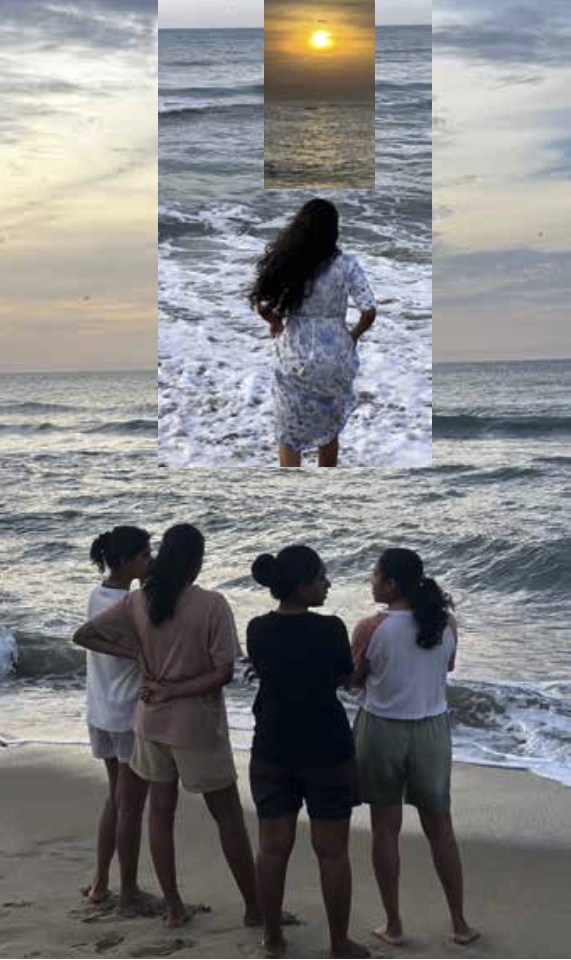
The Bay of Bengal, at the edge of the city, gives the place a quality of openness and awe that no inland city can provide. Standing at the shore, with the horizon in front of you, things scale correctly. That matters for creative work.
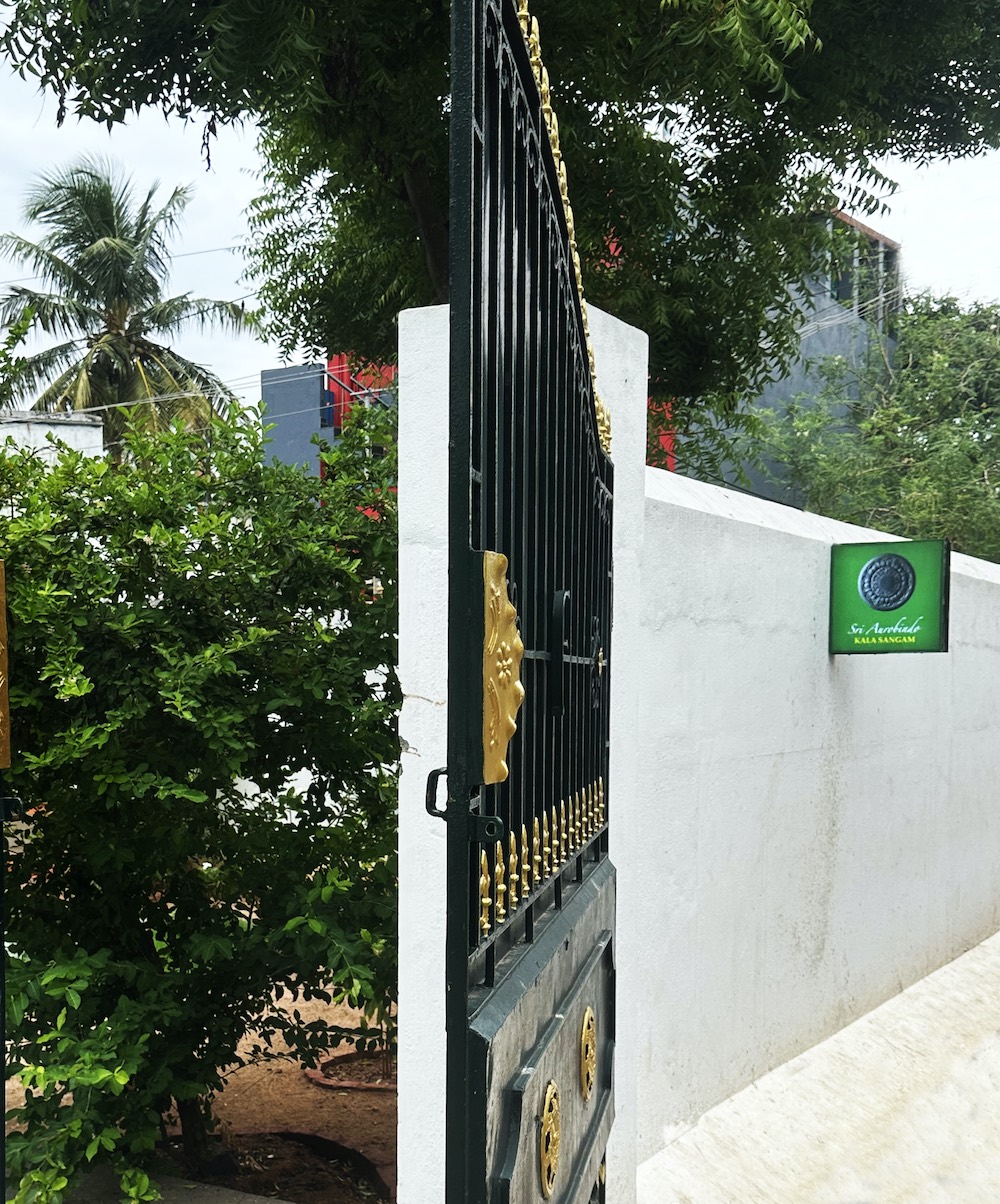
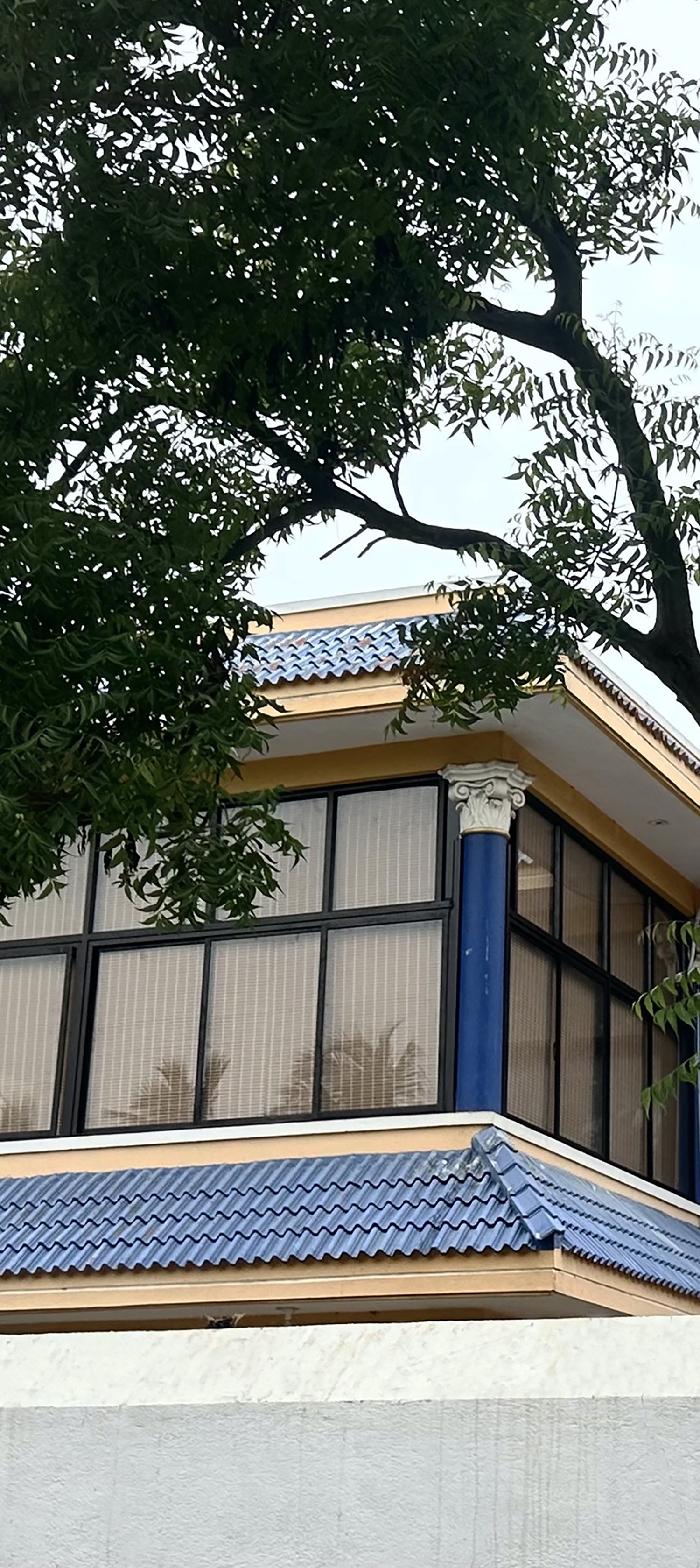
SAKS is housed in Villa Appavou — in Manaveli, Ariankuppam, Puducherry. The gallery, the studio, the library, and the teaching spaces all are housed in this building. Unlike formal Institutions, that create separate structures for different functions, in Villa Appavou, all activities co-exist, and the resultant intermingling is encouraged; while still providing space for individual contemplation.
Sri Aurobindo Kala Sangam
Villa Appavou
143/1 Periyar Nagar Main Road
Manaveli, Ariankuppam
Puducherry 605007, India
E-mail: director@sriaurobindokalasangam.org

Scan to open
SAKS on Google Maps
Puducherry (PNY) is the nearest airport. Chennai International Airport (MAA) is approximately 160km away. Regular taxi services and buses connect to Puducherry.
Puducherry Railway Station. Direct trains from Chennai, Bangalore, and other cities.